







"Go F4!"




From 11th on the Grid to Victory: Matyas Vitver Ends His First Formula 4 Season with a Triumph at Most
11 October 2026 | Autodrom Most | Carbonia Cup – Grand Finale
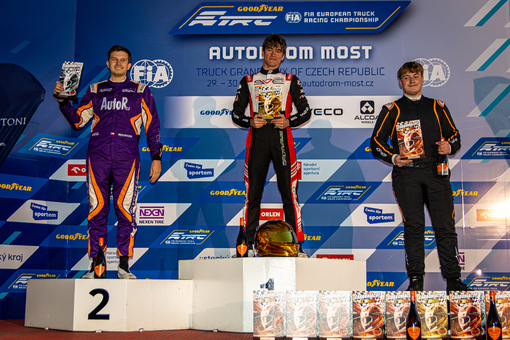
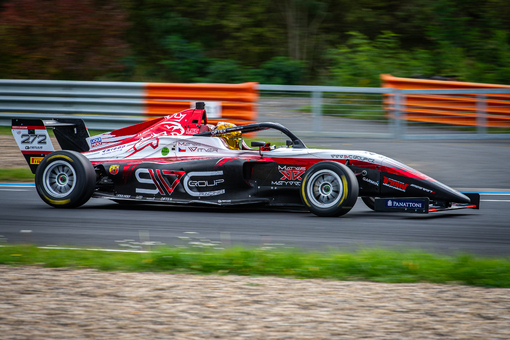
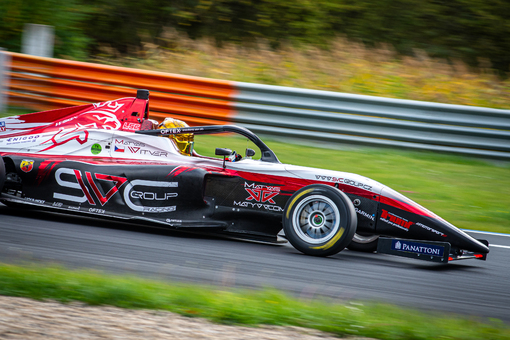
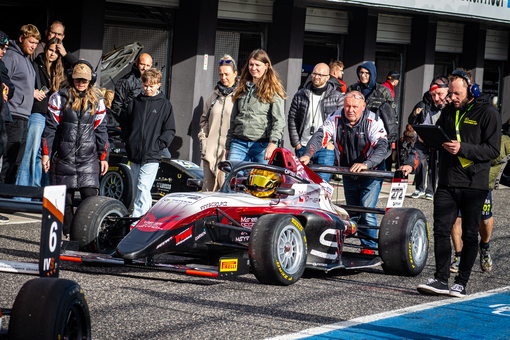
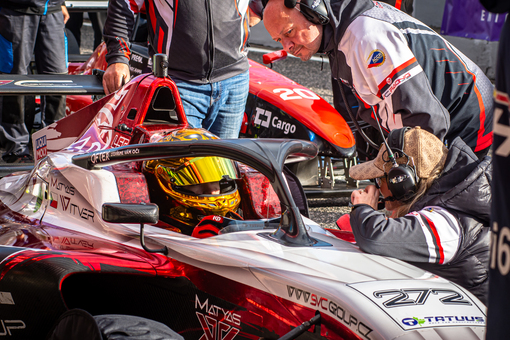
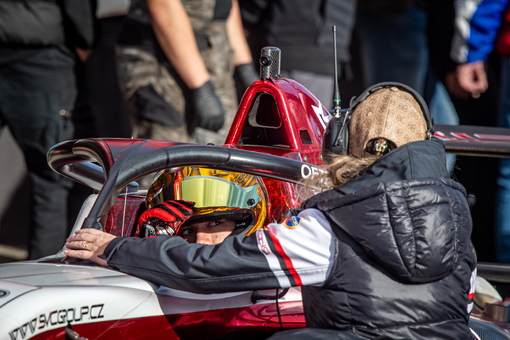
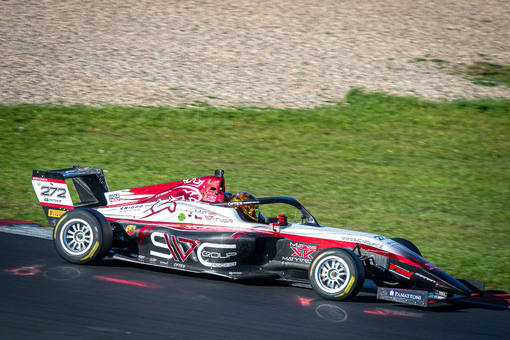
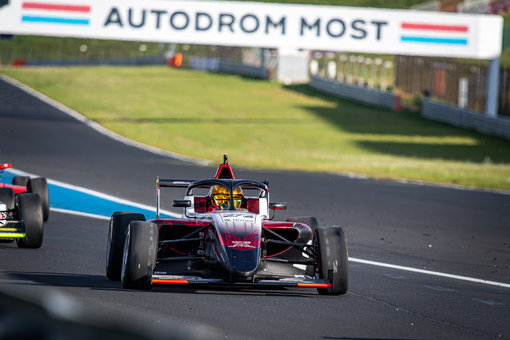
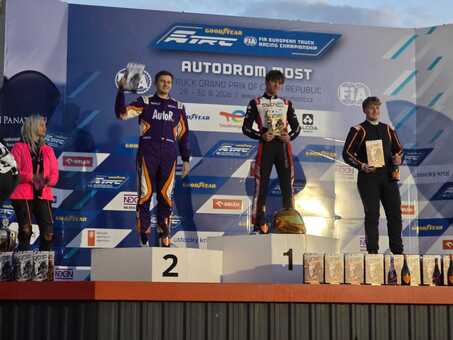
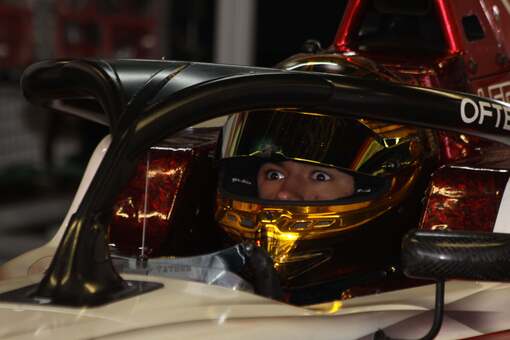
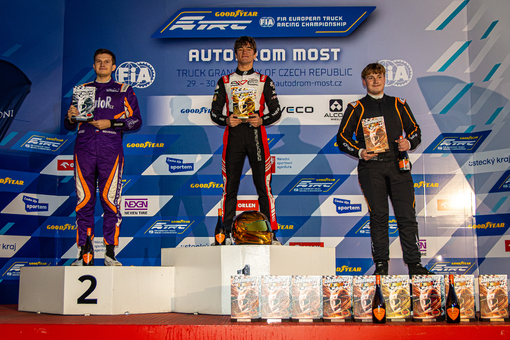
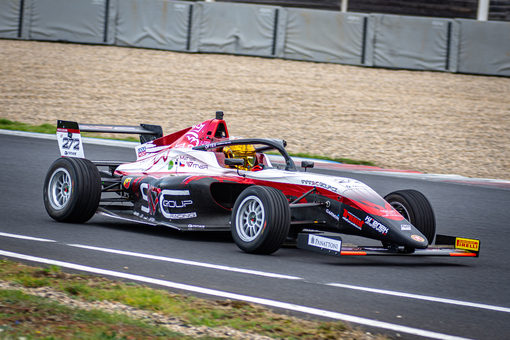
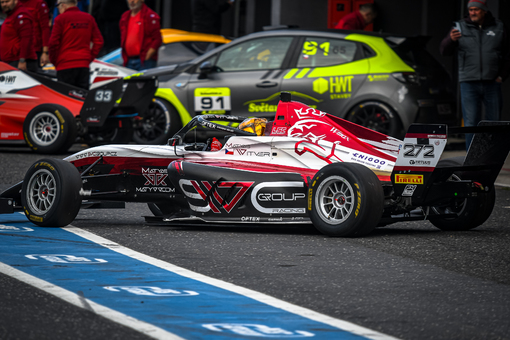
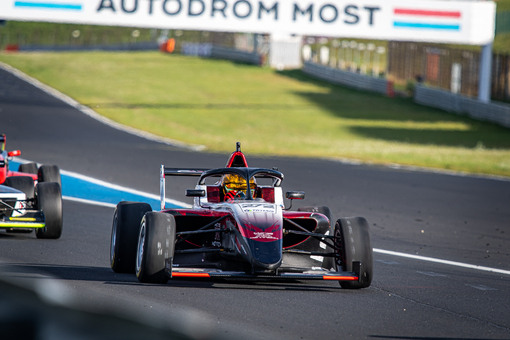
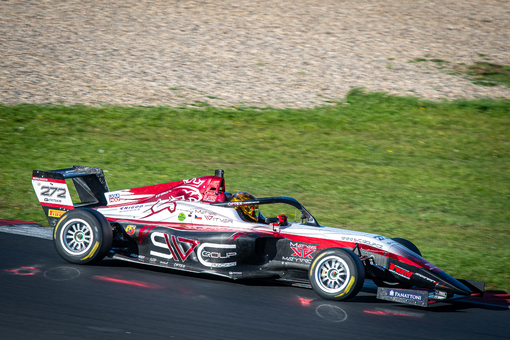
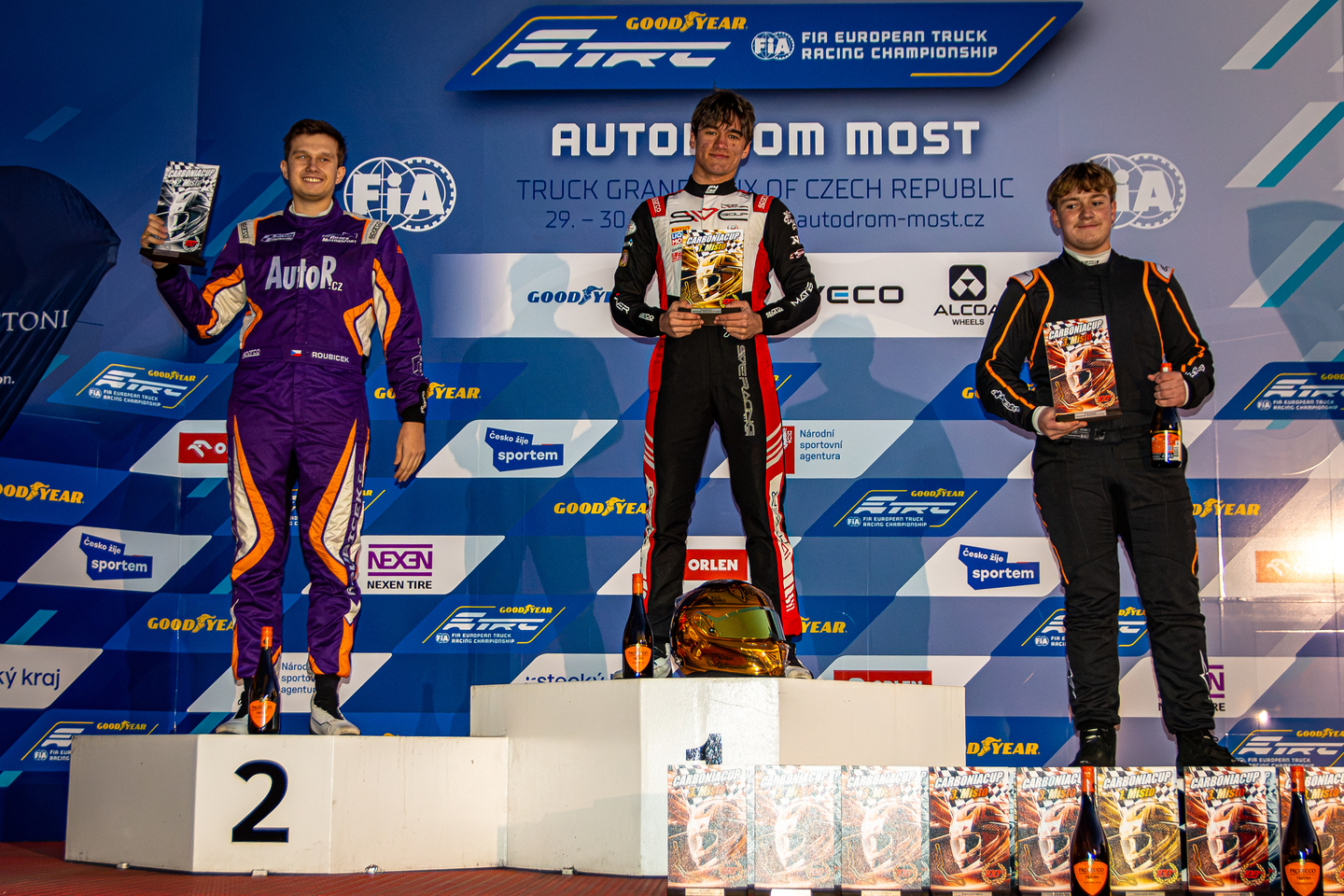
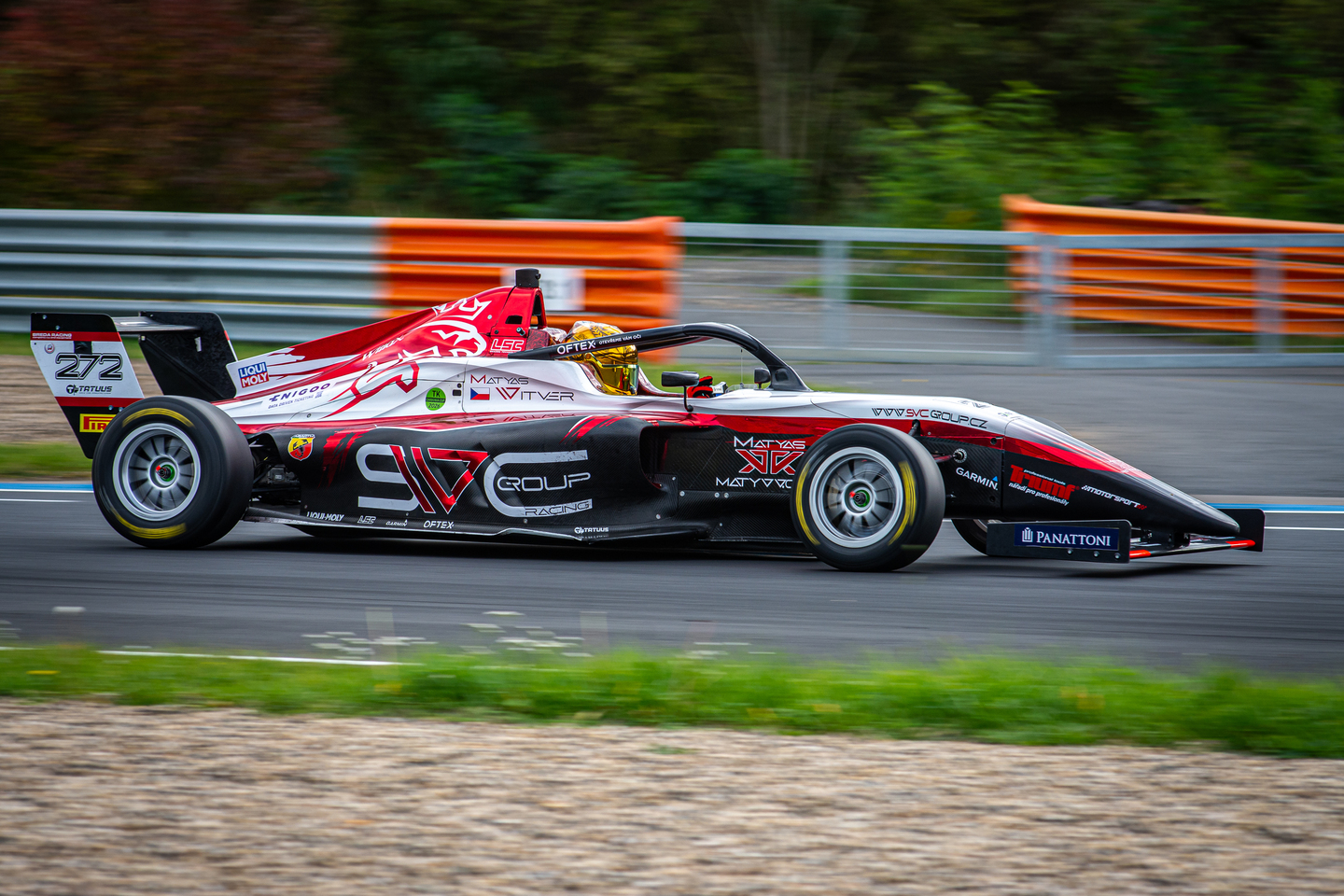
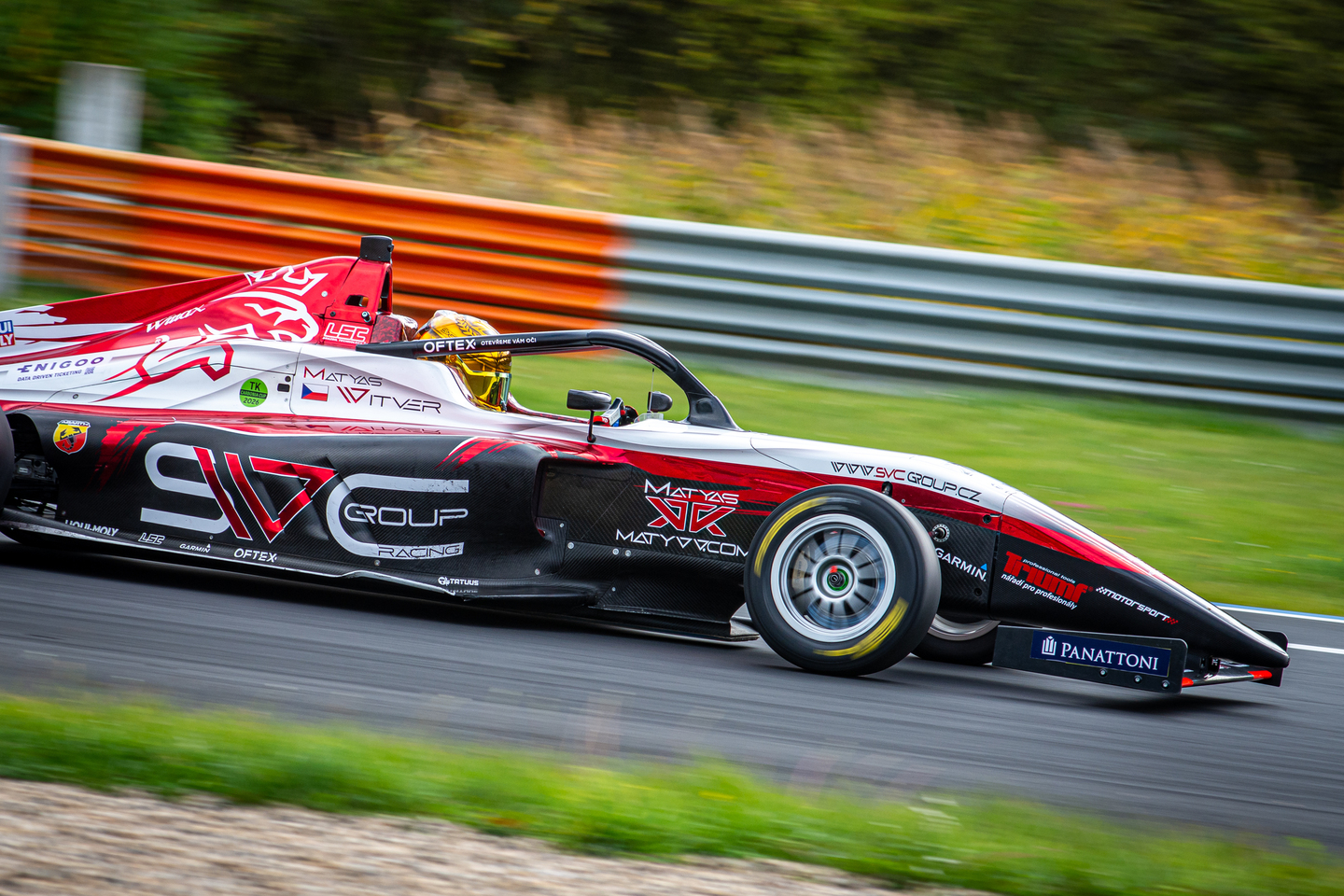
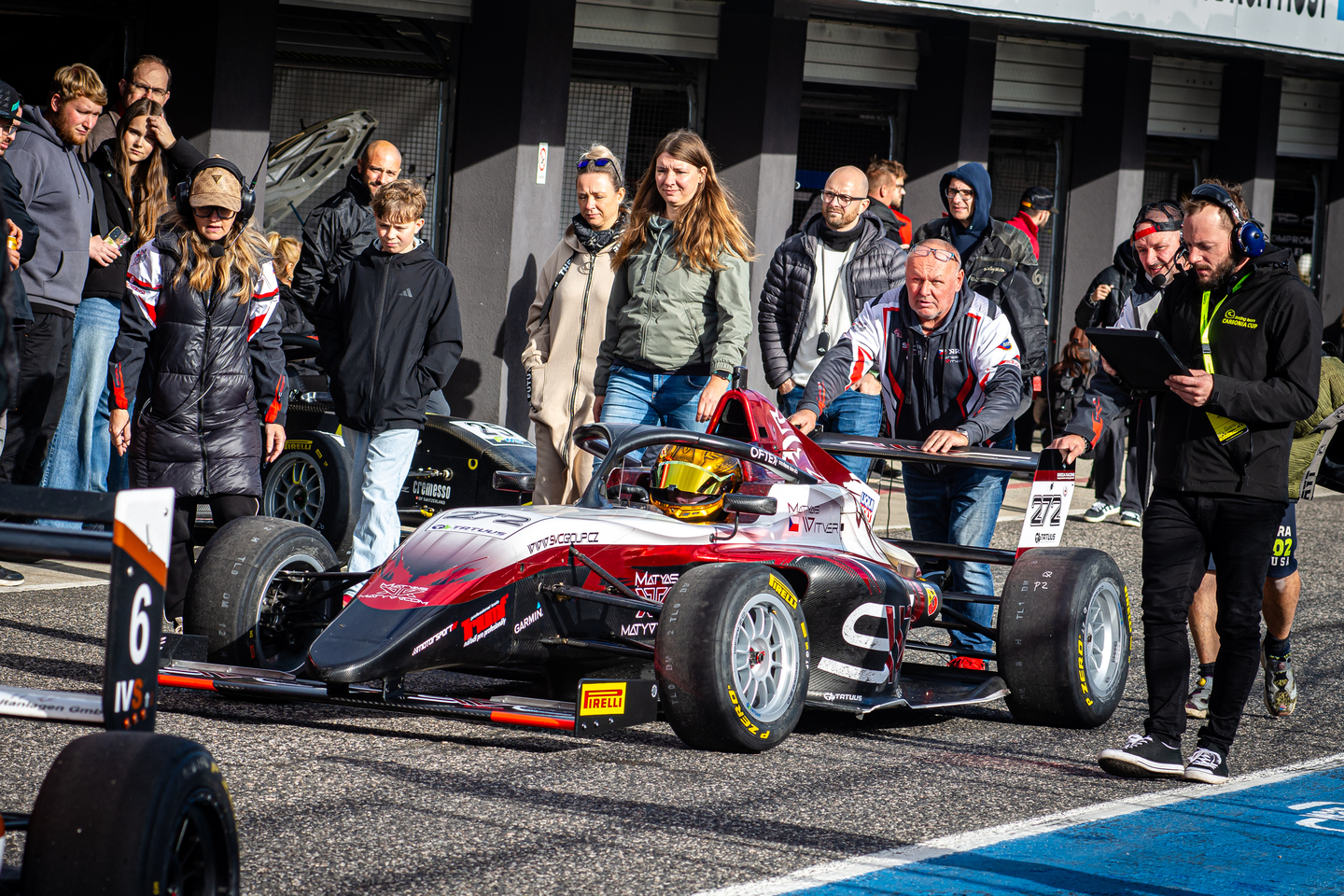
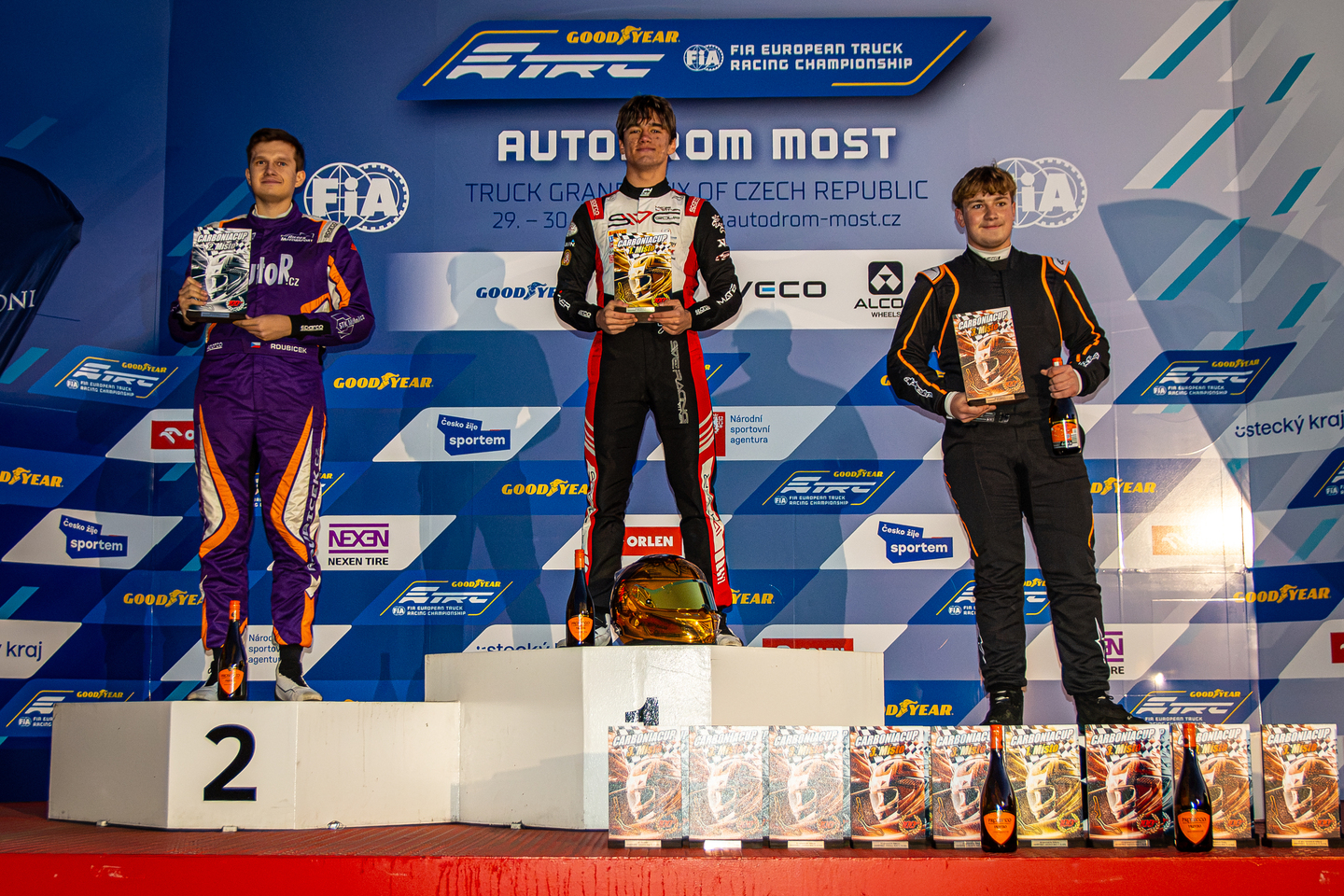
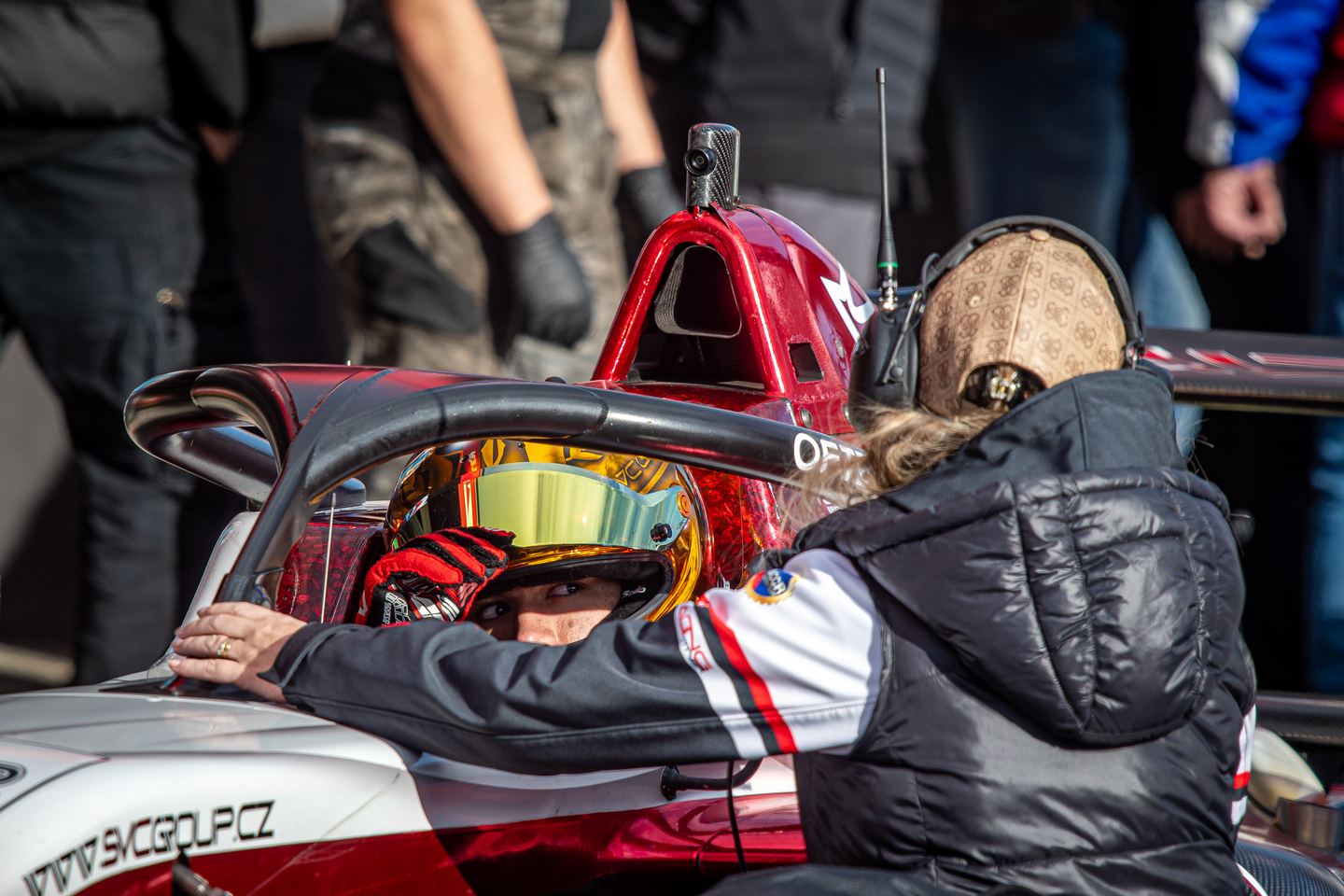
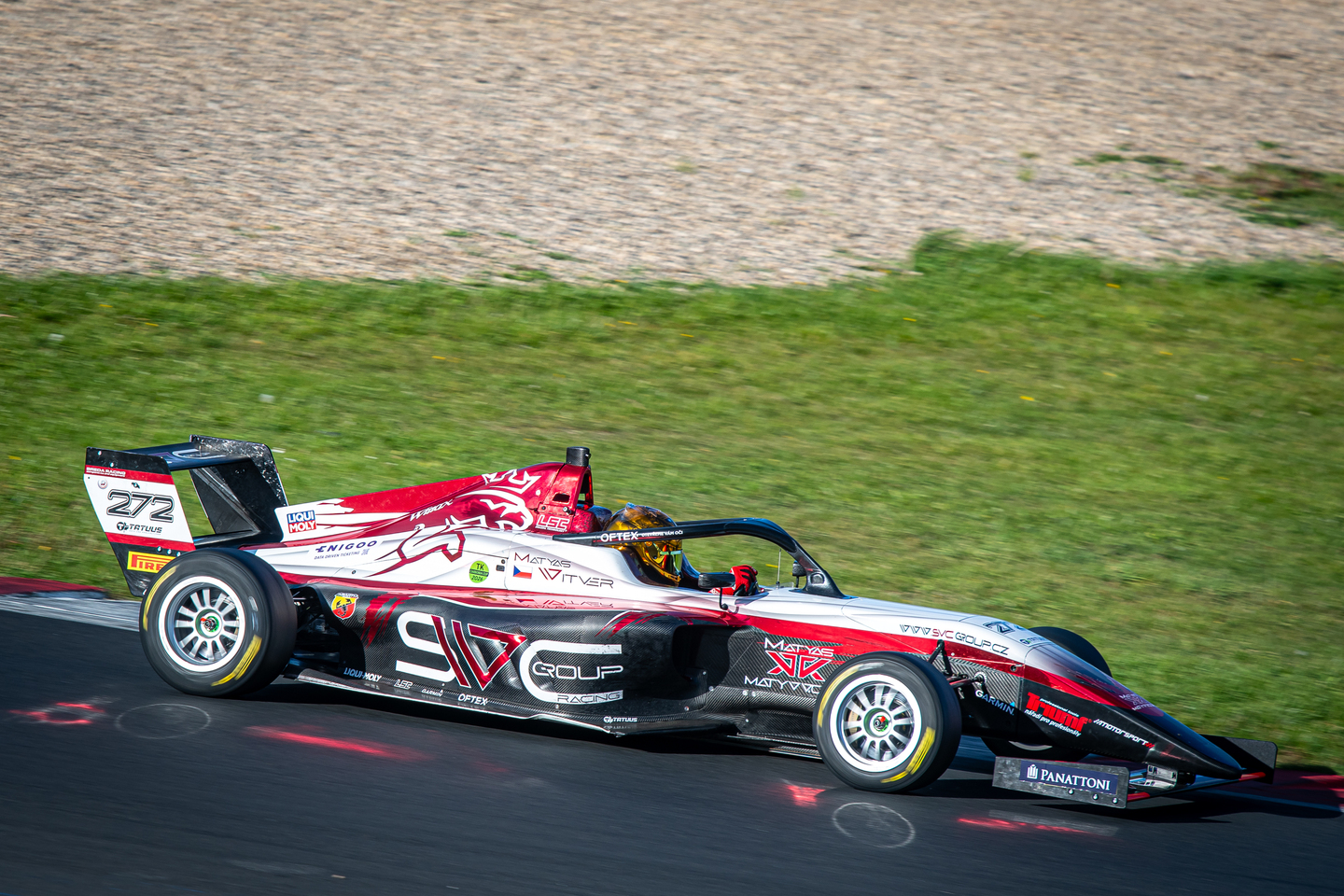
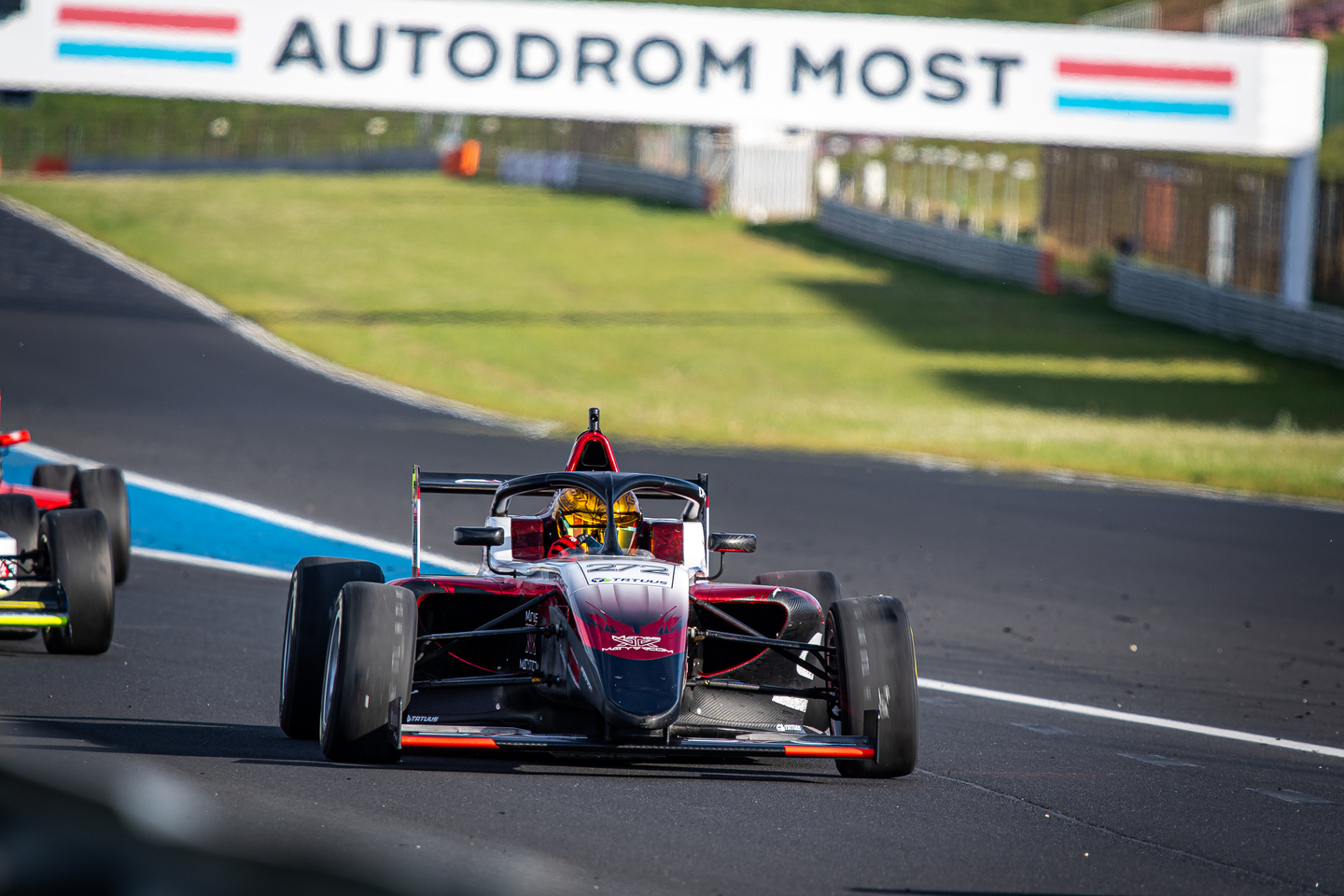
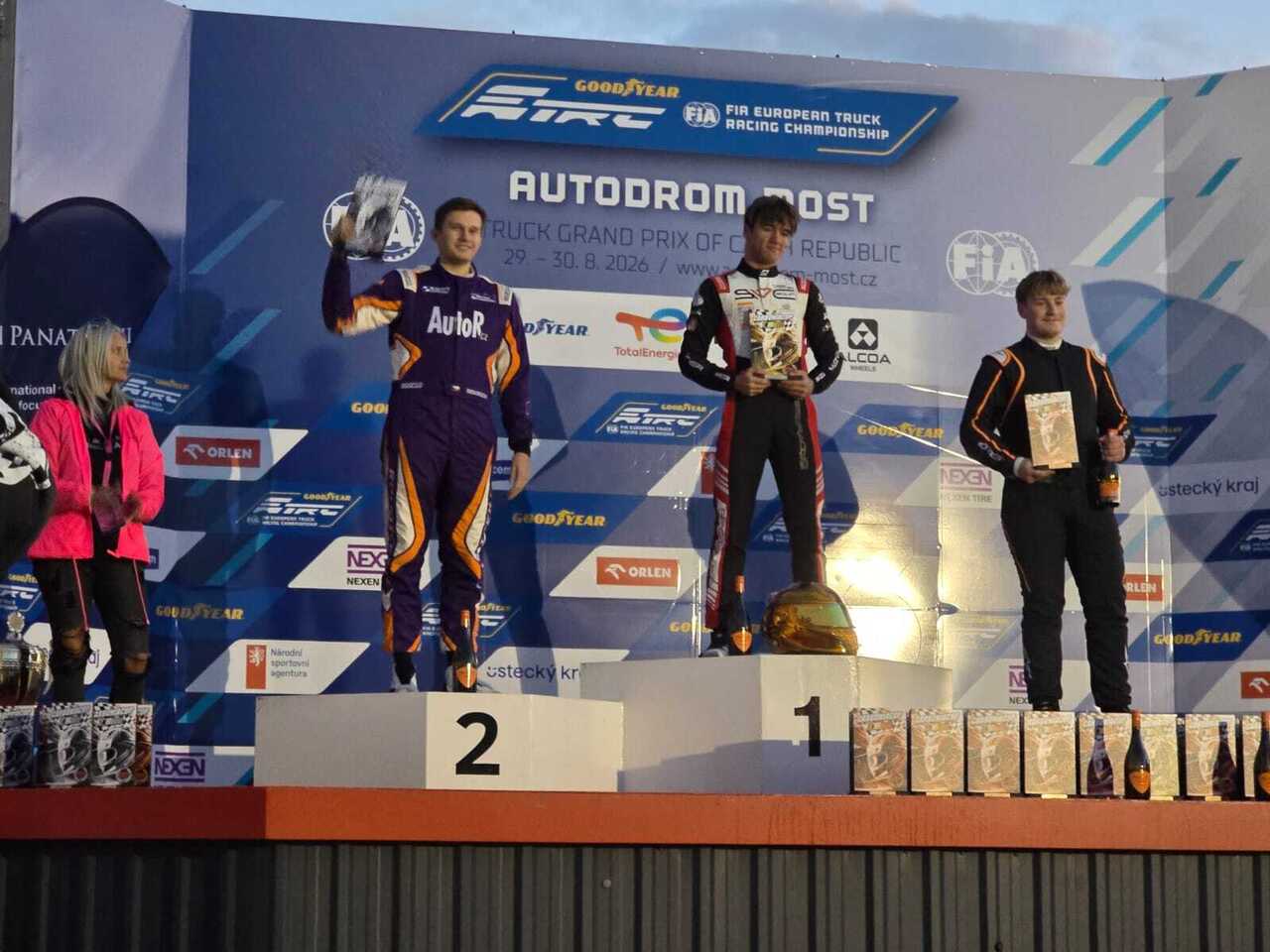
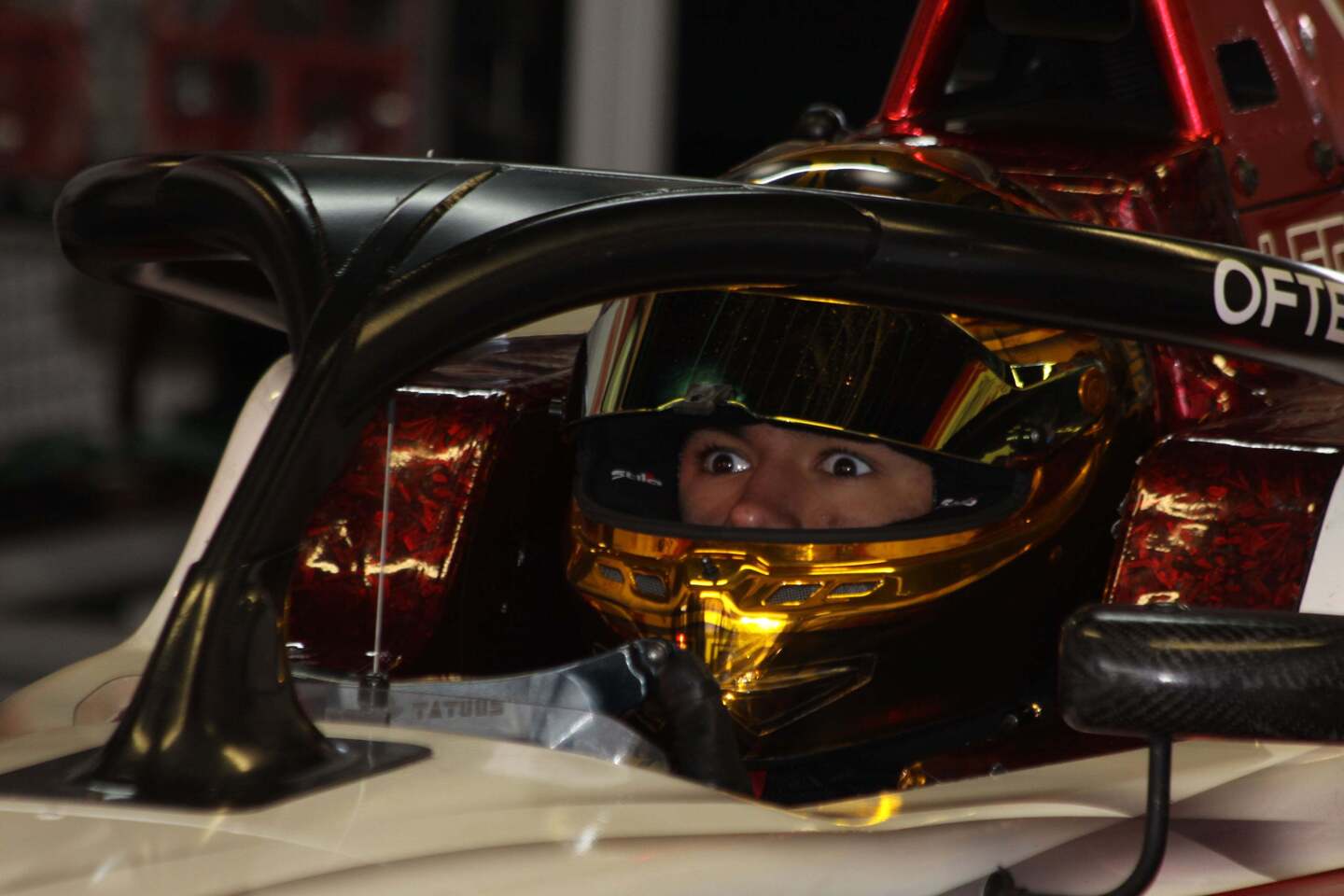
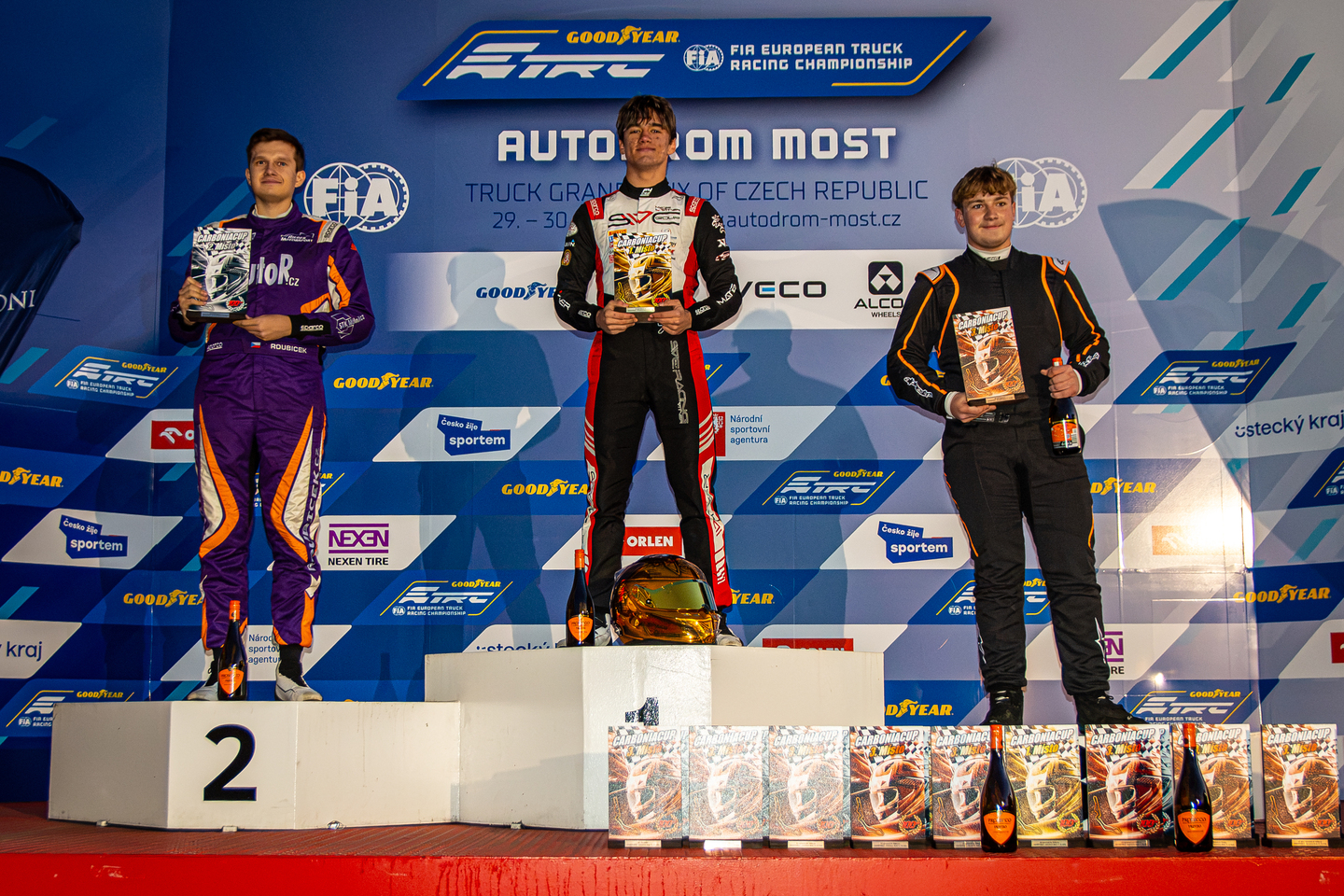
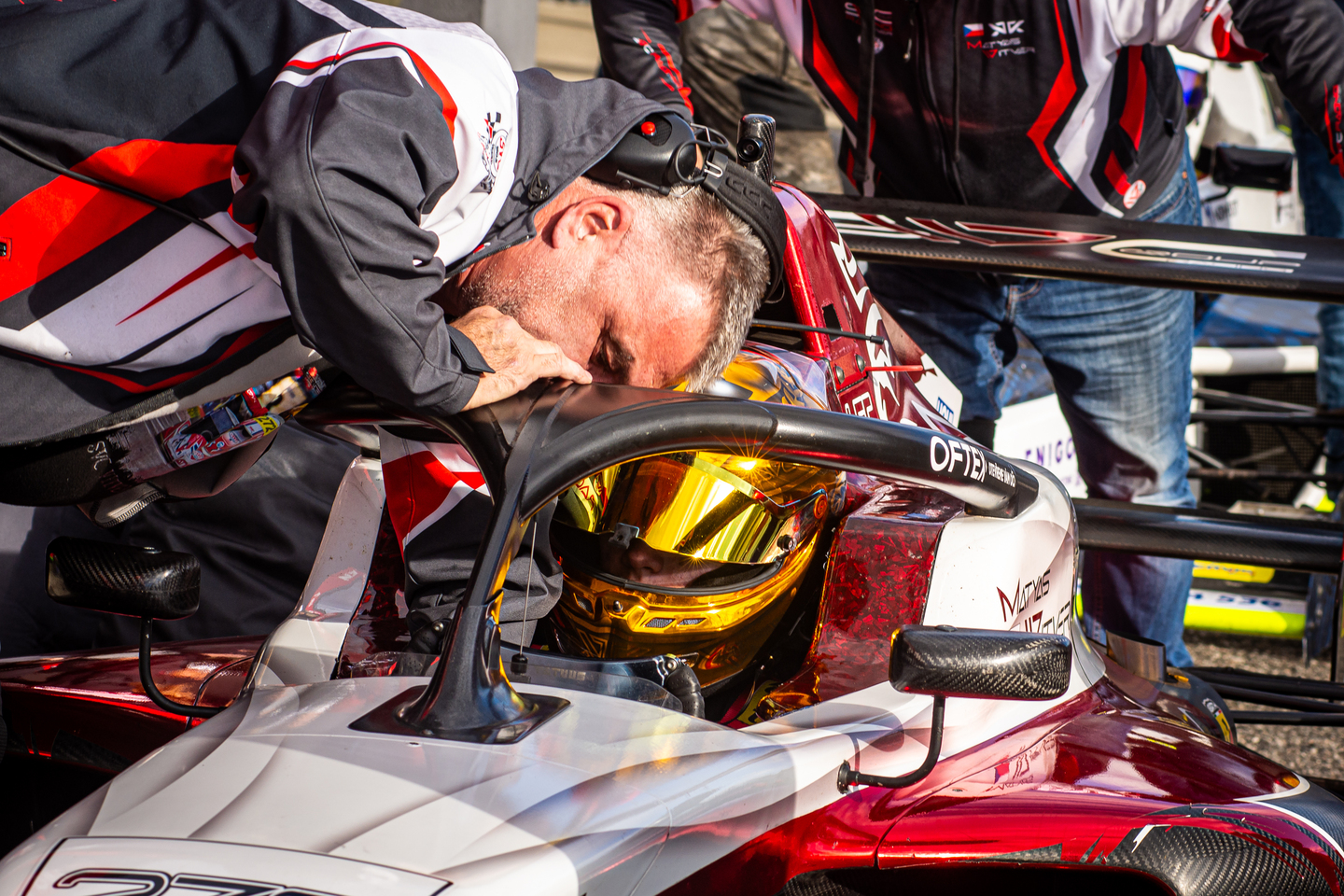
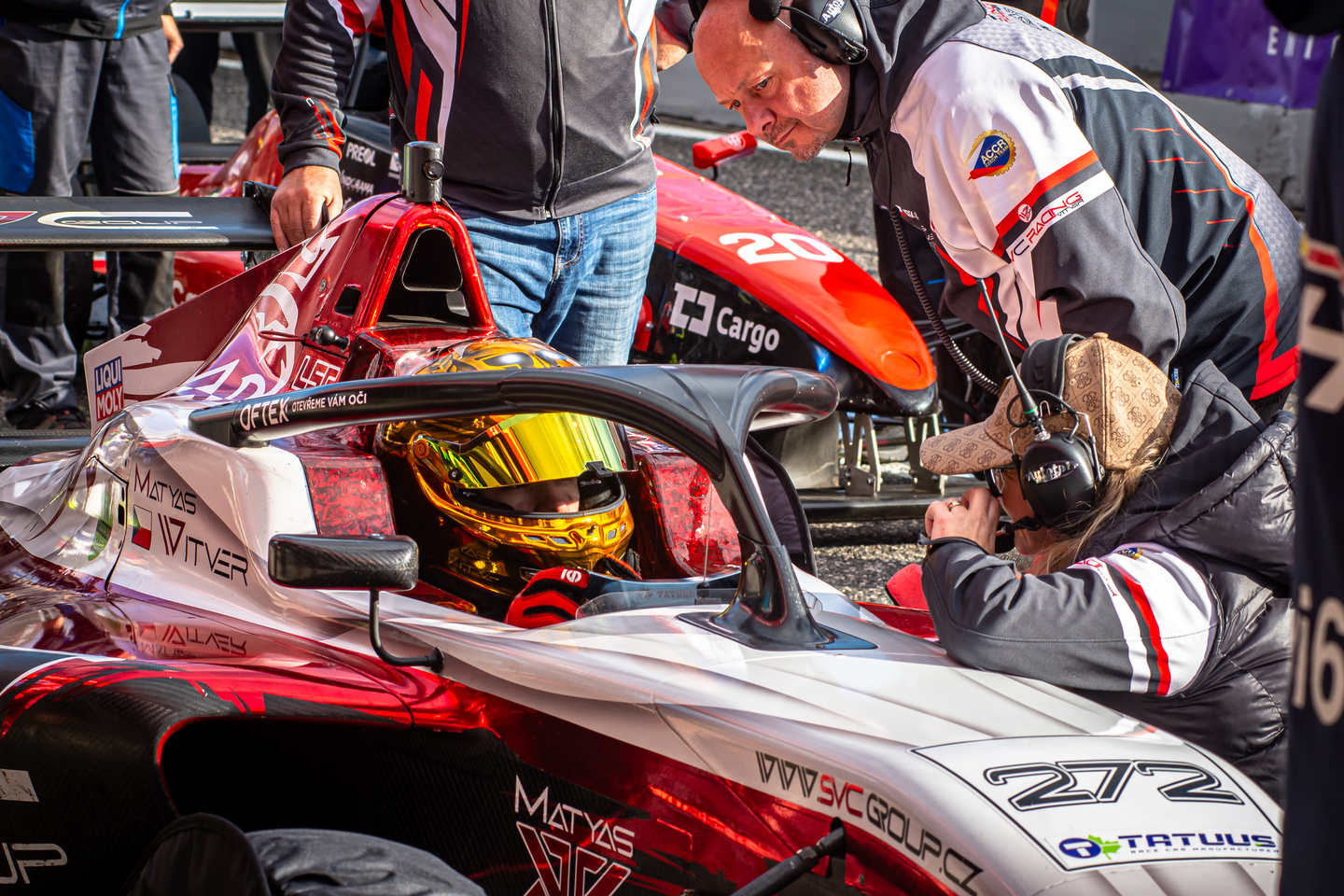
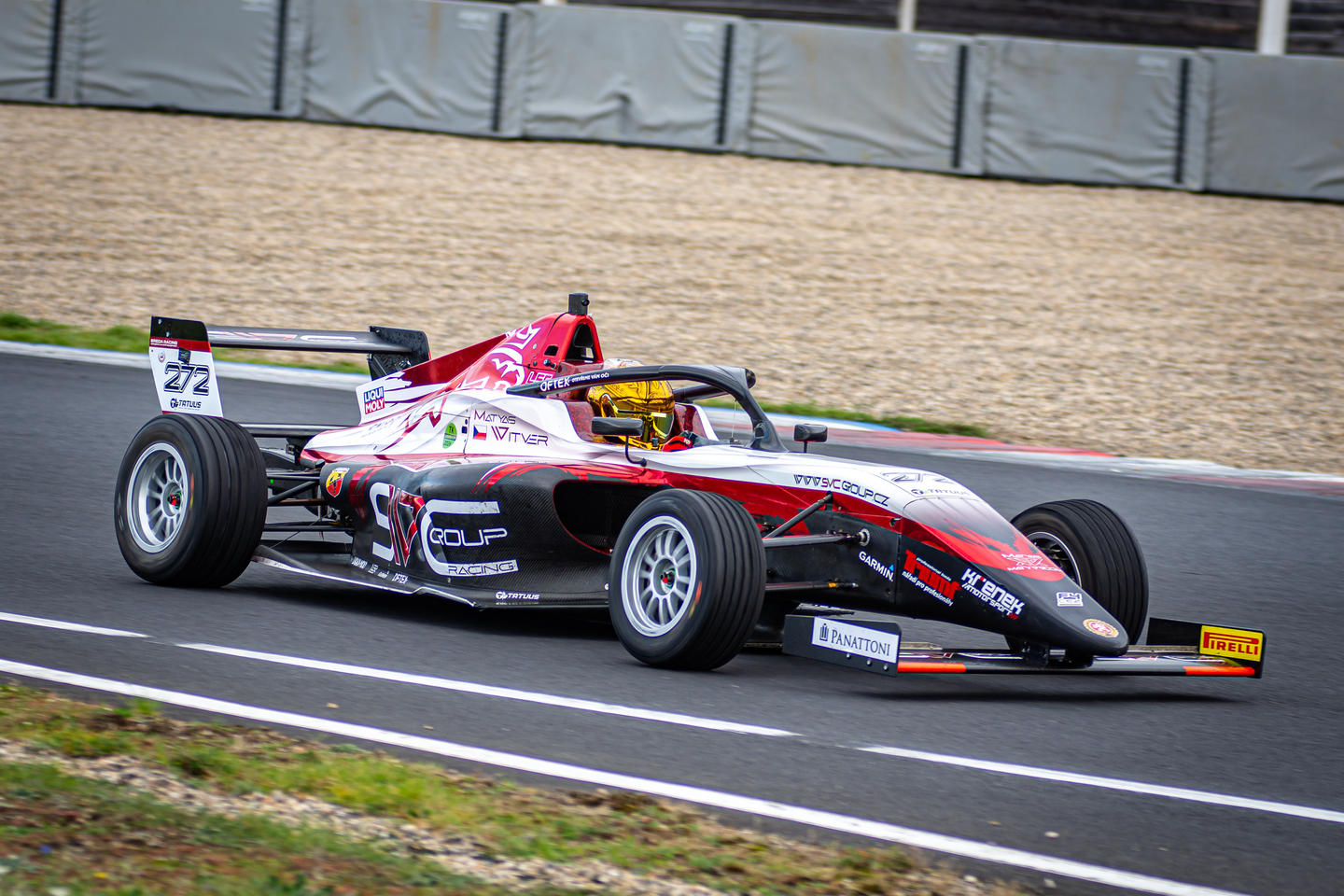
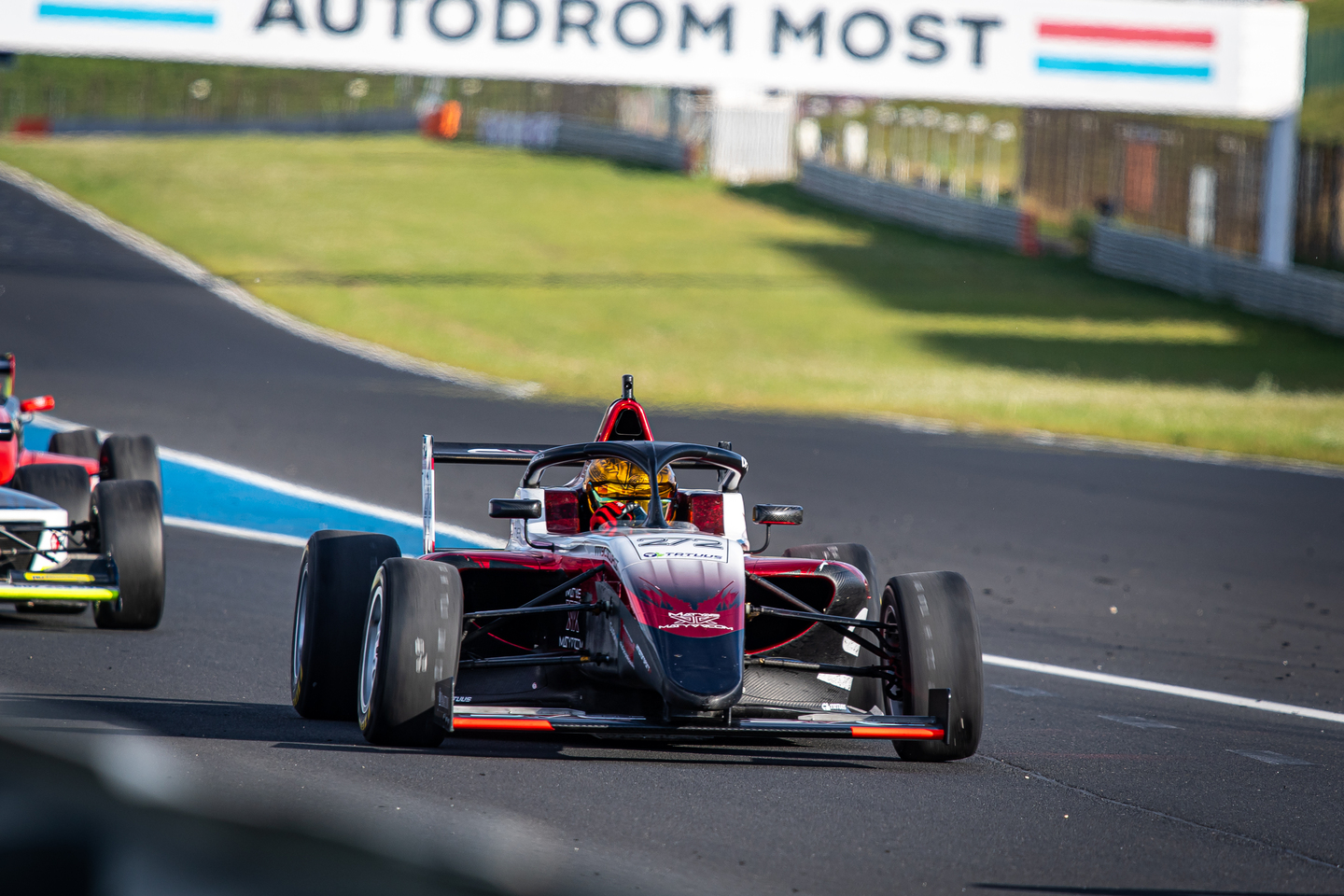
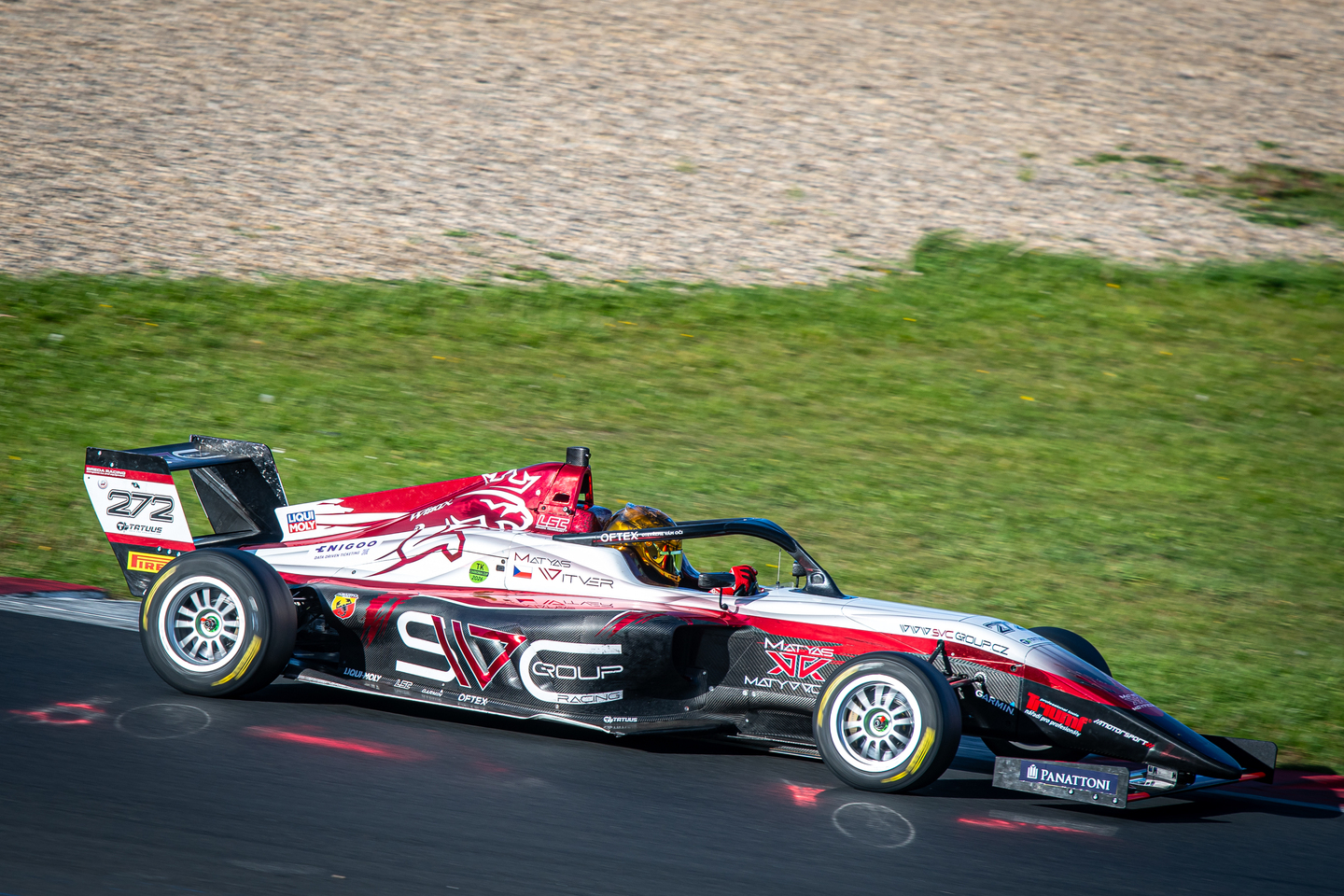
Fourteen-year-old Matyas Vladimír Vitver concluded his debut Formula 4 racing season with victory in his class and third place overall in the single-seater race. Starting from 11th on the grid after a difficult qualifying session, the young Czech driver produced one of his finest recovery drives of the season in challenging conditions, with track temperatures around 10°C.
For the family-run SVC GROUP RACING team, the October Grand Finale represented much more than another sporting achievement. It brought the first chapter of Matyas's Formula 4 racing career to a fitting conclusion.
The story had begun almost a year earlier at this very circuit, when Matyas first drove a Formula 4 car at just 13 years of age.
Now he was returning to Most to complete his first racing season as a considerably more experienced driver.
Entering the Final Race Without Championship Pressure
We arrived at the Grand Finale knowing that, according to our championship calculations, Matyas had already secured first place in the overall Formula 4 class standings following the previous race at Brno.
There was therefore no need to develop a special points-management strategy or calculate the finishing position required to protect his championship standing.
Our objective was simply to finish the season strongly, continue developing the car's setup and give Matyas the opportunity to demonstrate everything he had learned during his first year in Formula 4.
The weather promised to provide an additional challenge.
Forecasts indicated rain, low temperatures and changing track conditions.
For many teams, this would hardly have been an ideal scenario. For us, however, it was something we had been looking forward to.
Matyas enjoys driving in wet conditions, and the changing weather offered our technical team another valuable opportunity to learn more about setting up the car for wet and drying circuits.
Saturday Testing: Rain, Cold Weather and Valuable Engineering Work
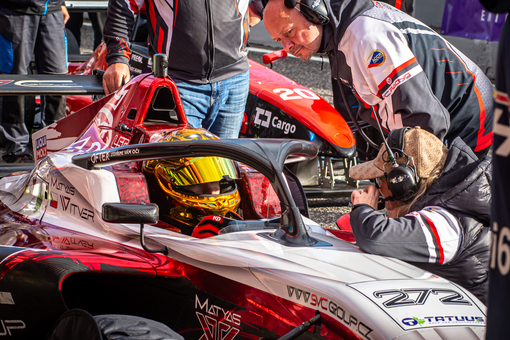
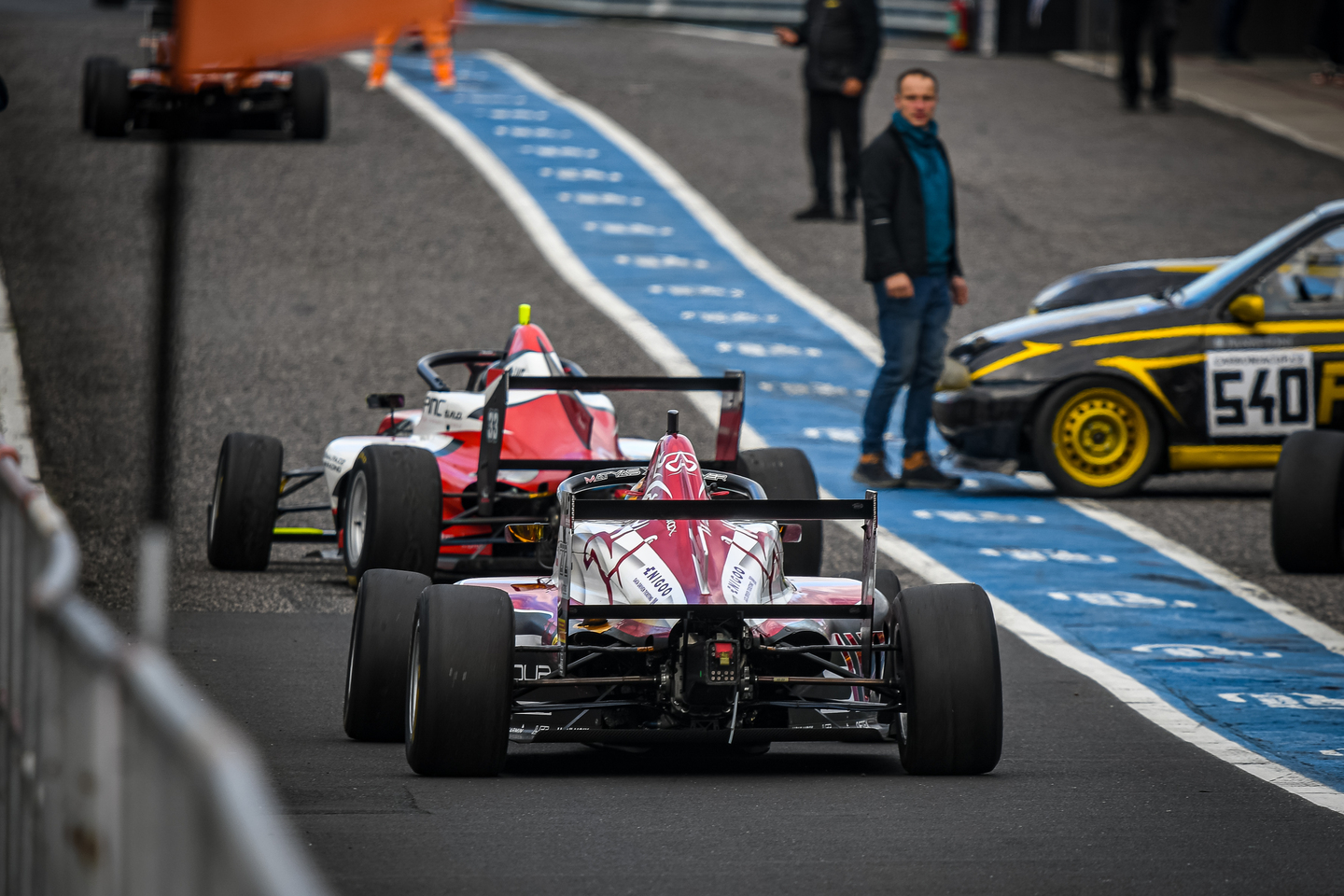
We made full use of the opportunity to complete a full day of testing on Saturday.
Air temperatures were approximately 10°C, the circuit was wet, and grip levels changed throughout the day.
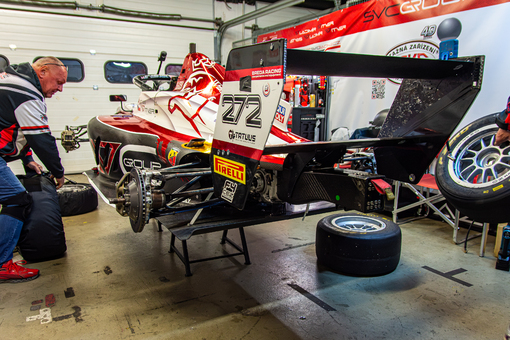
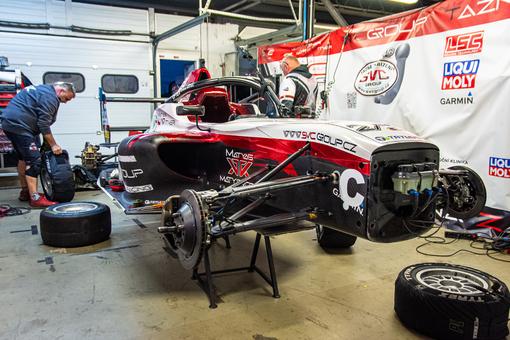
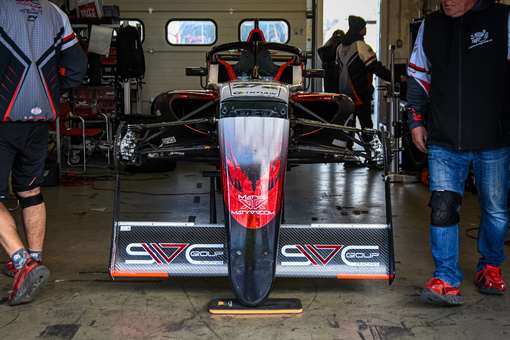
We concentrated on tyre behaviour, aerodynamic downforce, mechanical suspension settings and the overall balance of the single-seater.
Under these conditions, finding the right compromise is particularly important.
A setup that performs well in heavy rain and standing water may be far less effective when the track begins to dry.
Matyas recorded very competitive lap times throughout the test and, according to our observations, was among the fastest drivers on track.
For the team, however, the information gained was even more important.
We developed a better understanding of how our Tatuus F4 behaves at low temperatures and how significantly changing track conditions influence the car's performance and setup requirements.
After a long and exceptionally cold Saturday, we were looking forward to Sunday's race programme.
Sunday Practice Builds Confidence
The forecast for Sunday suggested conditions similar to the previous day.
From the opening sessions, it became clear that we could put the lessons from Saturday's testing to good use.
Matyas completed both free practice sessions with excellent results.
According to our timing records, he finished second overall in both sessions.
The car was performing well, Matyas felt confident behind the wheel, and the atmosphere within the team was extremely positive.
We believed we had established a strong foundation for qualifying.
Unfortunately, qualifying reminded us just how unpredictable motorsport can be.
Qualifying: A Decision That Did Not Pay Off
Shortly before qualifying, heavy rain began to fall.
The weather radar suggested that the rain would probably be short-lived.
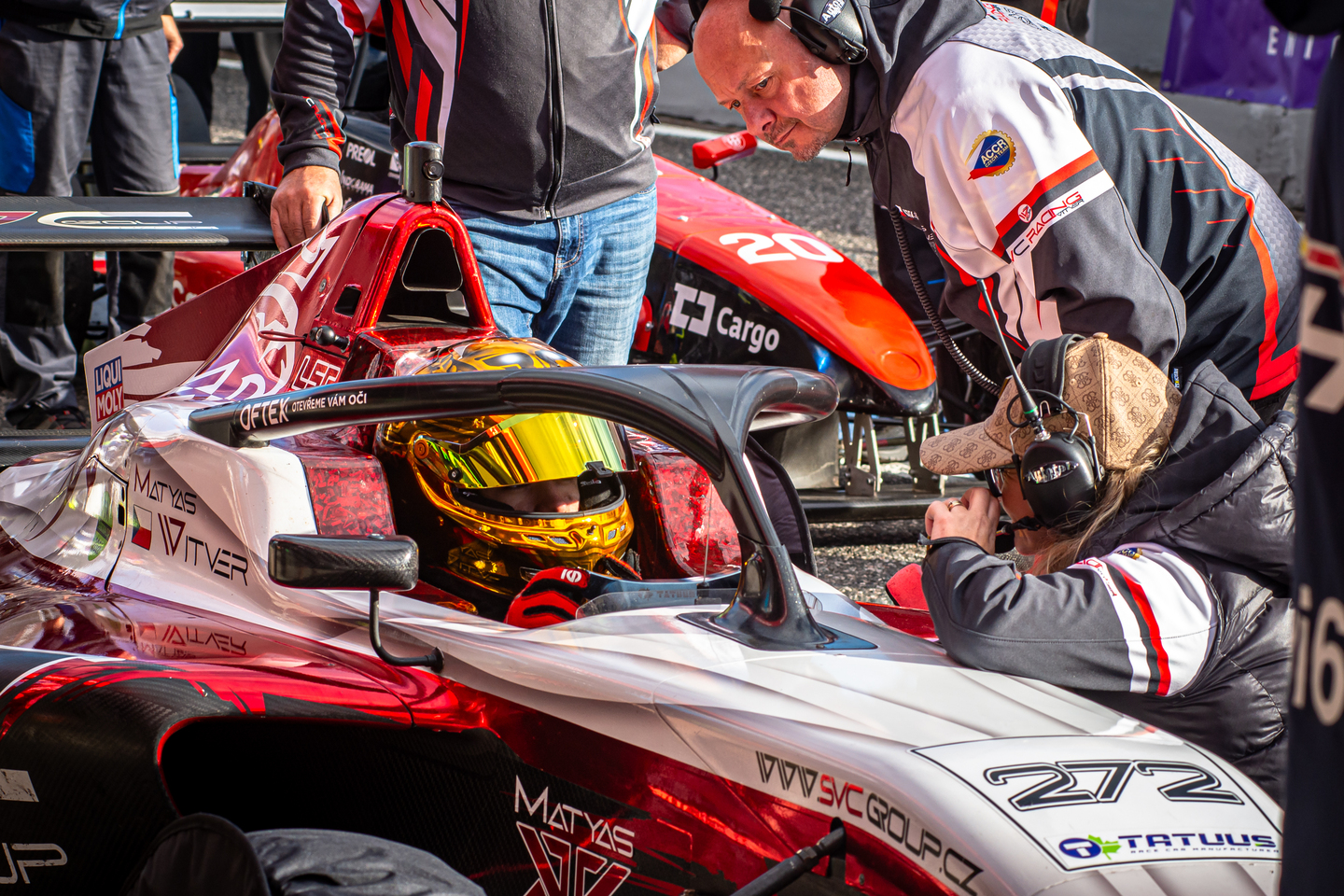
We waited briefly and considered which setup would provide the best compromise.
After observing the intensity of the rain and the preparations being made by other teams, I decided that we should reconfigure our Formula 4 car for conditions involving considerably more water on the circuit.
We selected significantly higher aerodynamic downforce and a setup that had worked extremely well during Saturday's testing in very wet conditions.
However, shortly after Matyas left the pits, the rain stopped.
Track conditions began to change, and our setup was no longer suited to the developing situation.
Other competitors, who had made less extensive changes and primarily switched to wet-weather tyres, had chosen a more effective compromise for the conditions.
I considered calling Matyas back into the pits immediately.
However, I was concerned that qualifying might be interrupted by another red flag, potentially leaving us without enough time to complete a sufficient number of timed laps.
I decided to keep him on track.
Looking back, I have to admit that it was the wrong decision.
The situation was further complicated by a problem with the front-right brake pad, which also affected the car's performance.
The result was our worst qualifying performance of the entire 2026 season – 11th place on the starting grid.
It was a difficult lesson for the technical team.
In motorsport, tenths of a second often make the difference. On this occasion, we lost considerably more through a combination of an incorrect assessment of the weather, an unsuitable setup and a technical complication.
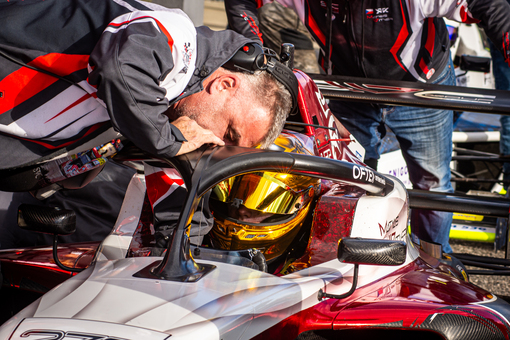
As team principal, I accepted responsibility for the setup decision, and I was extremely frustrated with myself.
Starting 11th – A Difficult Task Ahead
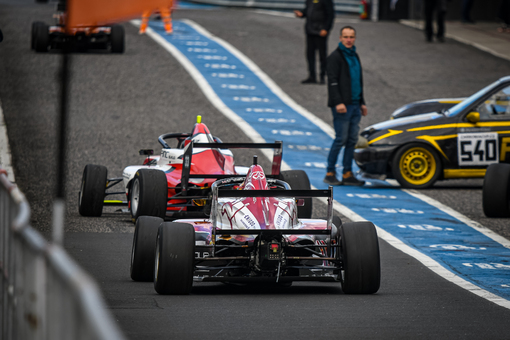
Starting from 11th meant that Matyas would have to overtake several competitors during the race, including his direct rivals in the Formula 4 class.
After our experience at an earlier Most race, where contact in a tightly packed field had damaged the car, this was not a particularly comfortable prospect.
However, by this stage of the season, we no longer needed to explain to Matyas the importance of anticipating situations, overtaking safely and assessing risks correctly.
These were all skills he had been developing throughout the year.
And this race would give him the opportunity to demonstrate just how much progress he had made.
A Recovery Drive That Revealed Another Level of Performance
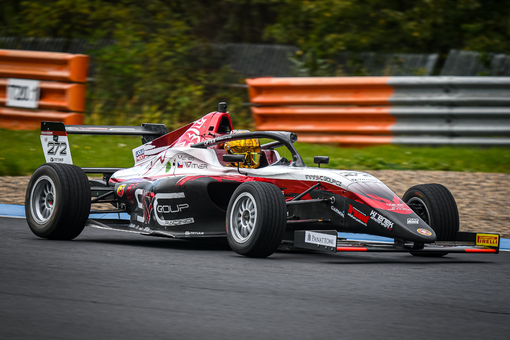
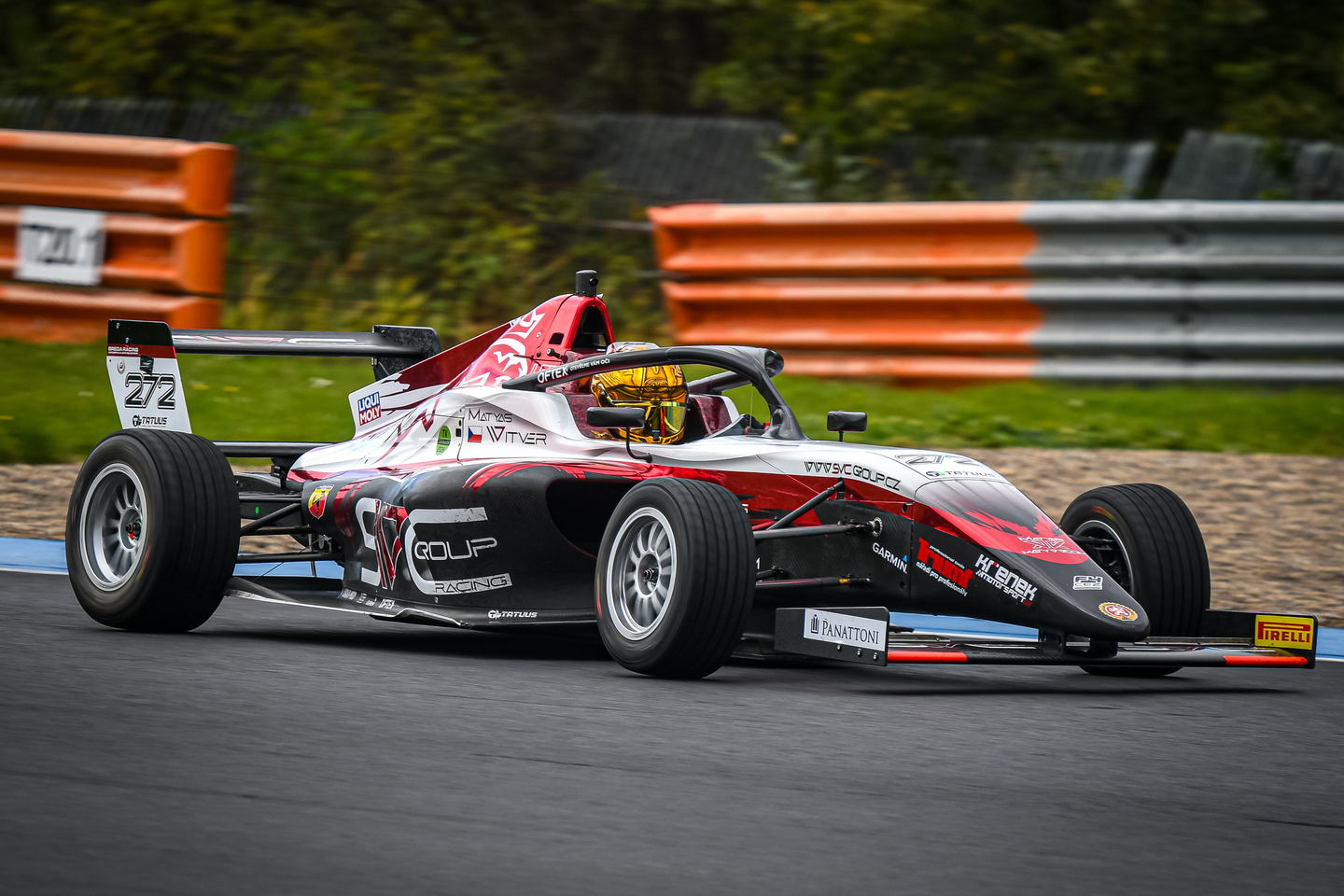
From the start, Matyas delivered a focused and determined drive.
He gradually gained positions, taking advantage of overtaking opportunities without unnecessary delays.
When we subsequently reviewed the onboard footage, we realised just how significantly his driving had developed over the course of the season.
He was more precise under braking, better at anticipating the behaviour of other drivers and more effective at preparing overtaking manoeuvres.
We also noticed considerable progress in his ability to adapt his racing line to changing conditions and traffic.
Analysis of his telemetry and individual sector times suggested the potential for lap times of approximately 1:34.5 to 1:34.8.
These were theoretical estimates based on combining individual sector performances, rather than lap times actually completed during the race.
Traffic and repeated overtaking battles prevented Matyas from putting all his best sectors together on a completely clear lap.
Nevertheless, he achieved his fastest lap at Most up to that point.
A lap time of 1:35.22, with the track temperature at approximately 10°C, was an extremely encouraging result for our team.
Yet the lap time itself was not the most important achievement.
What impressed us even more was the way Matyas maintained his pace while negotiating traffic and competing directly against other drivers.
The Decisive Battle for the Formula 4 Lead
One of the most exciting moments of the race came during Matyas's battle with the driver who had been leading the Formula 4 class.
Initially, Matyas followed his rival closely, spending approximately one and a half laps studying his racing line, braking points and defensive driving.
He then prepared an overtaking manoeuvre, using a change of line to gain an advantage and move ahead.
The battle continued through the following section of the circuit.
During the exchange, Matyas found himself running onto the wet grass beyond the asphalt, an especially dangerous situation in the prevailing conditions.
However, he managed to keep the car under control and continue racing.
The manoeuvre put Matyas into the lead of the Formula 4 class.
For our team, this was one of the most memorable moments of the weekend.
It demonstrated that Matyas was no longer relying solely on the speed of his car. He was learning to analyse his rivals, prepare an overtaking opportunity and respond effectively during close wheel-to-wheel racing.
Battling Formula 3 Cars All the Way to the Finish
After taking the lead in Formula 4, Matyas began closing the gap to the Formula 3 cars ahead.
The closing stages of the race therefore produced further exciting battles between different single-seater categories.
Matyas managed to reduce the gap to Mr Morávek's car, with both drivers fighting for positions in the overall classification.
Slower traffic and the different performance characteristics of the cars complicated matters for both competitors.
Nevertheless, they continued fighting until the final metres of the race.
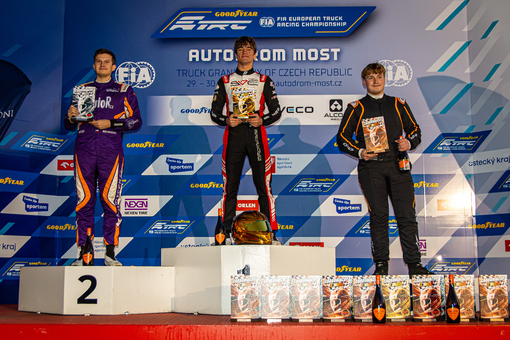
Matyas eventually crossed the finish line third overall, behind two Formula 3 cars, and as the winner of the Formula 4 class.
According to our team's assessment, he was also the fastest driver among the F4-category cars, including modified single-seaters.
After such a difficult qualifying session, it was a result that gave the entire team enormous satisfaction.
Most: Where It All Began at 13 – and Where His First Formula 4 Season Ended at 14
There is something particularly special about the way this season ended.
On 10 November 2025, just one day before his 14th birthday, Matyas drove a Formula 4 single-seater for the very first time at Autodrom Most.
He was only 13 years old.
Driving a borrowed Formula 4 car in wet conditions, he completed his first 20 laps and discovered an entirely new world of motorsport.
At that moment, he had no Formula 4 racing experience. Everything was new – the clutch, the braking, the handling characteristics and the feeling of driving a single-seater.
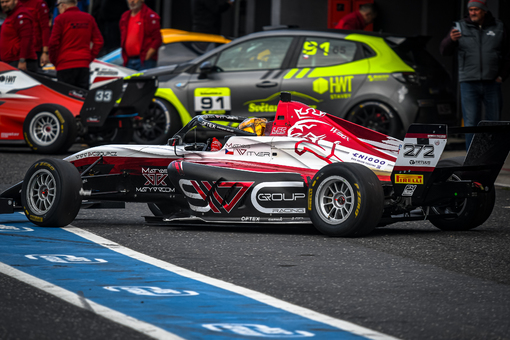
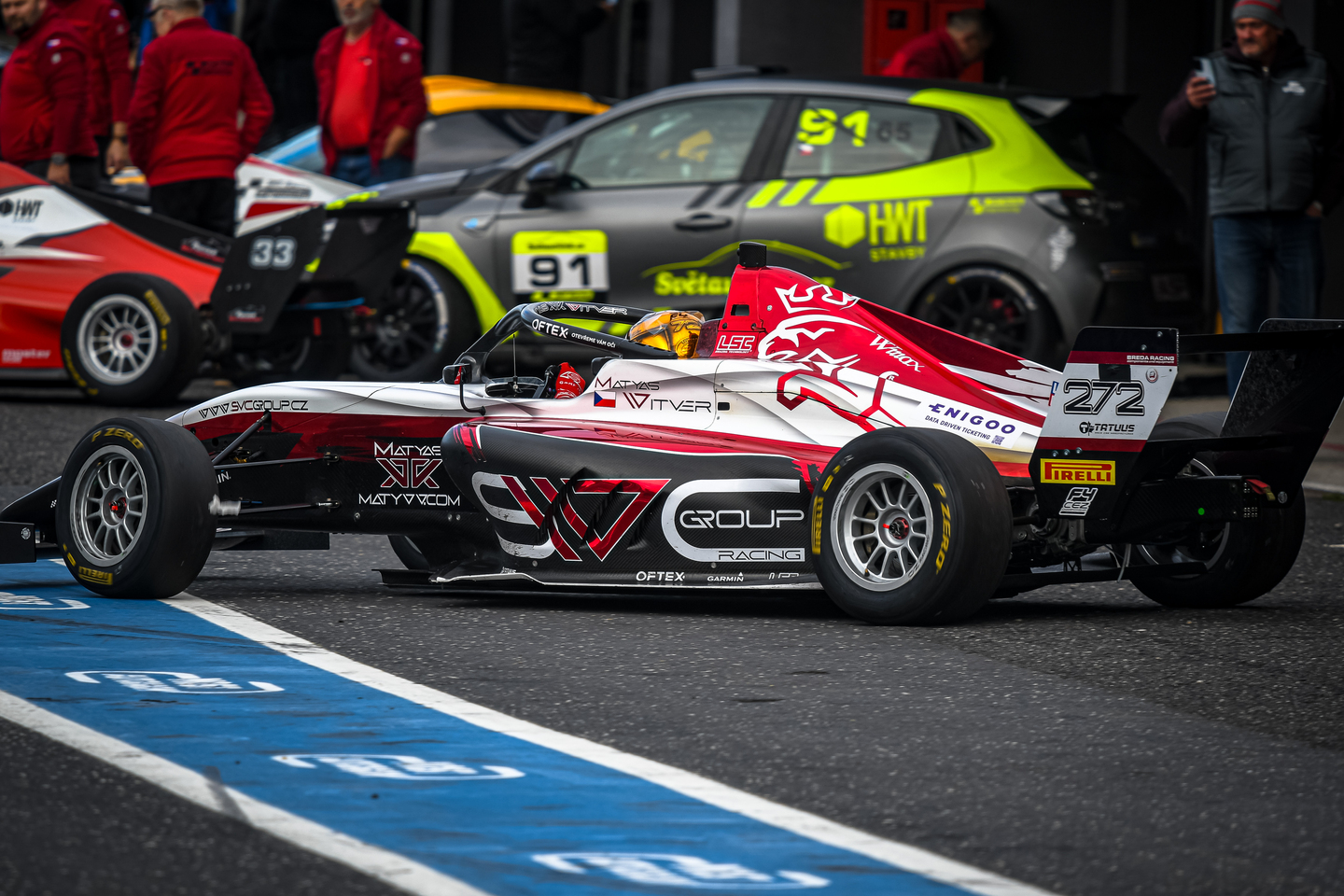
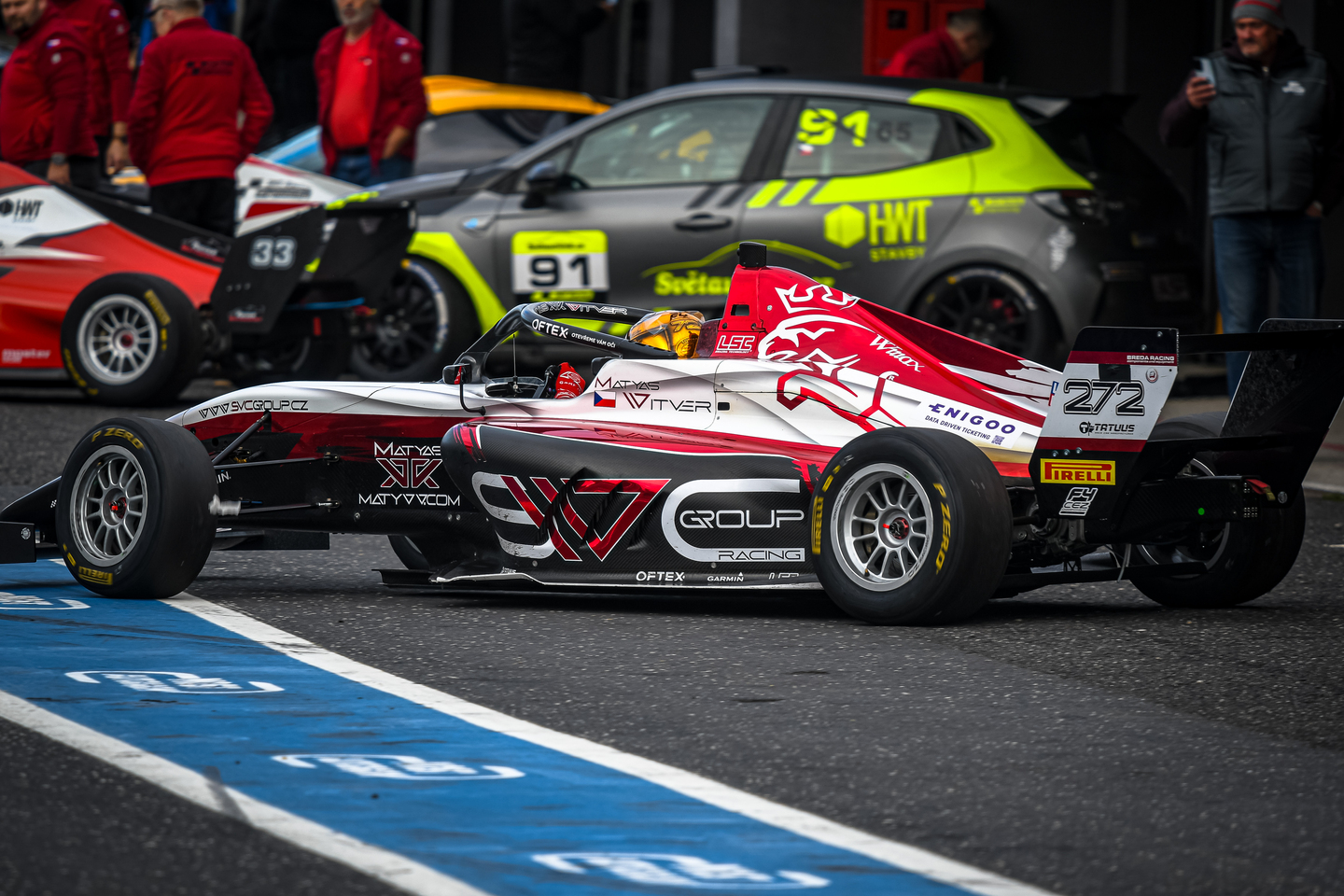
Five months later, on 12 April 2026, Matyas returned to the same circuit for his first competitive Formula 4 race, this time driving his own Tatuus F4 T-421 Gen 2 prepared by SVC GROUP RACING.
He won the Formula 4 class on his racing debut and finished second overall.
Over the following months, he completed an extensive programme of testing and racing, learning about tyres, suspension, aerodynamics, technical data and wheel-to-wheel competition.
Then, on 11 October 2026, he returned to Most for the final race of his first Formula 4 season.
Starting from 11th on the grid, he fought his way through the field to finish third overall and claim another Formula 4 class victory.
The same circuit. From his first 20 laps at 13 to a winning Formula 4 season finale at 14.
For us, that is the real story of 2026.
Not simply the victories, but the extraordinary progress Matyas made during his first year behind the wheel of a Formula 4 car.
A Successful First Formula 4 Season for a Family-Run Team
The 2026 season represented a completely new challenge for SVC GROUP RACING.
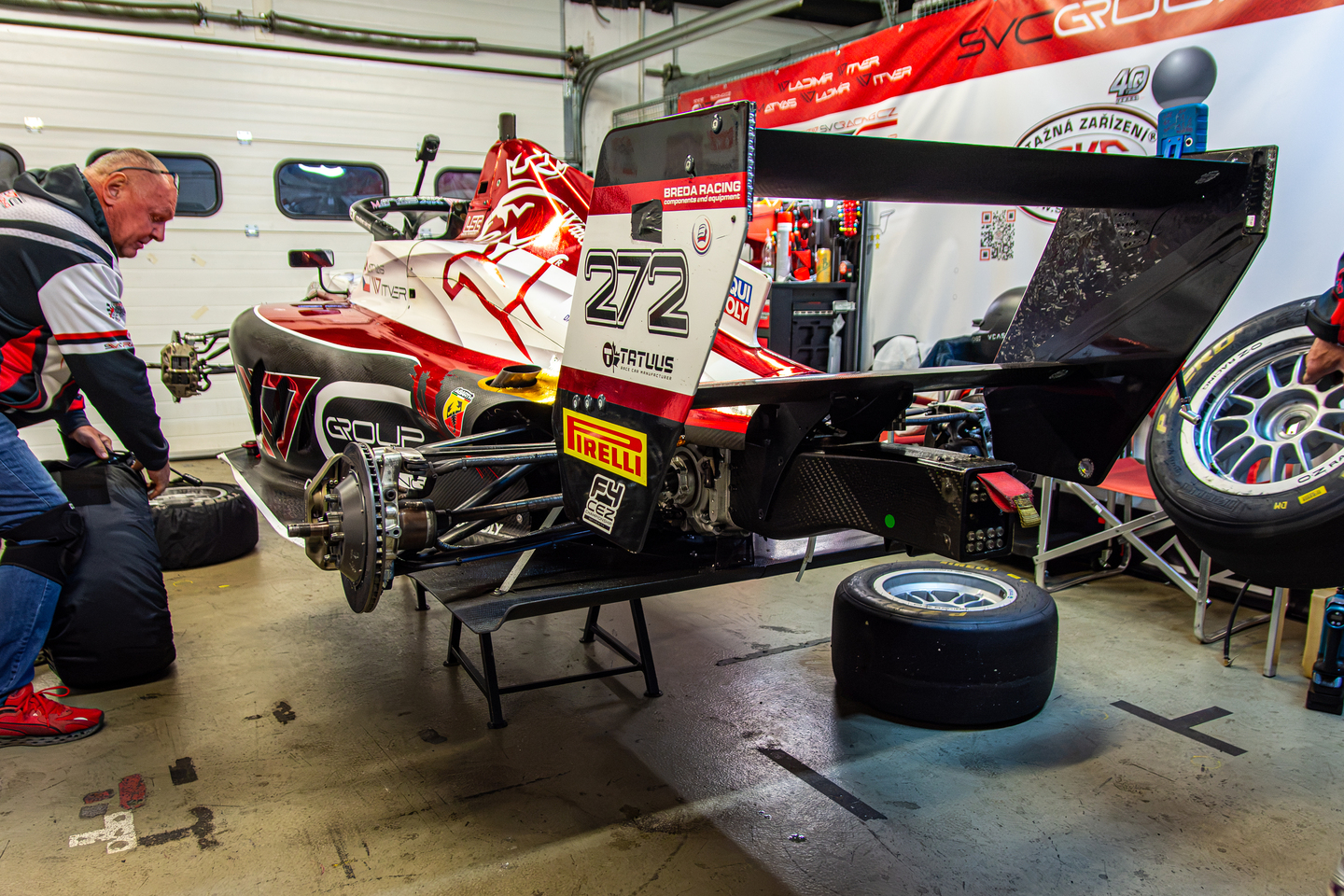
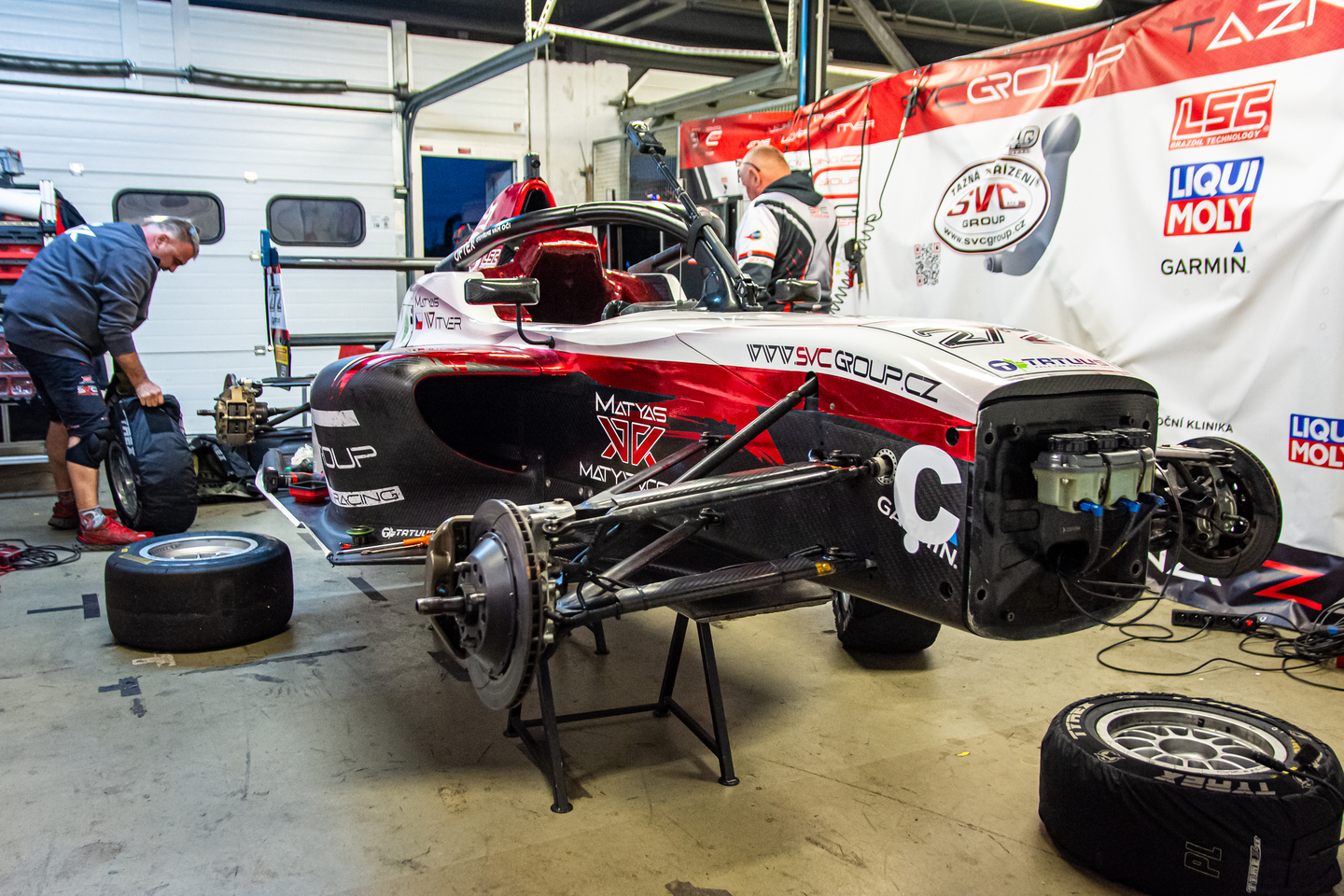
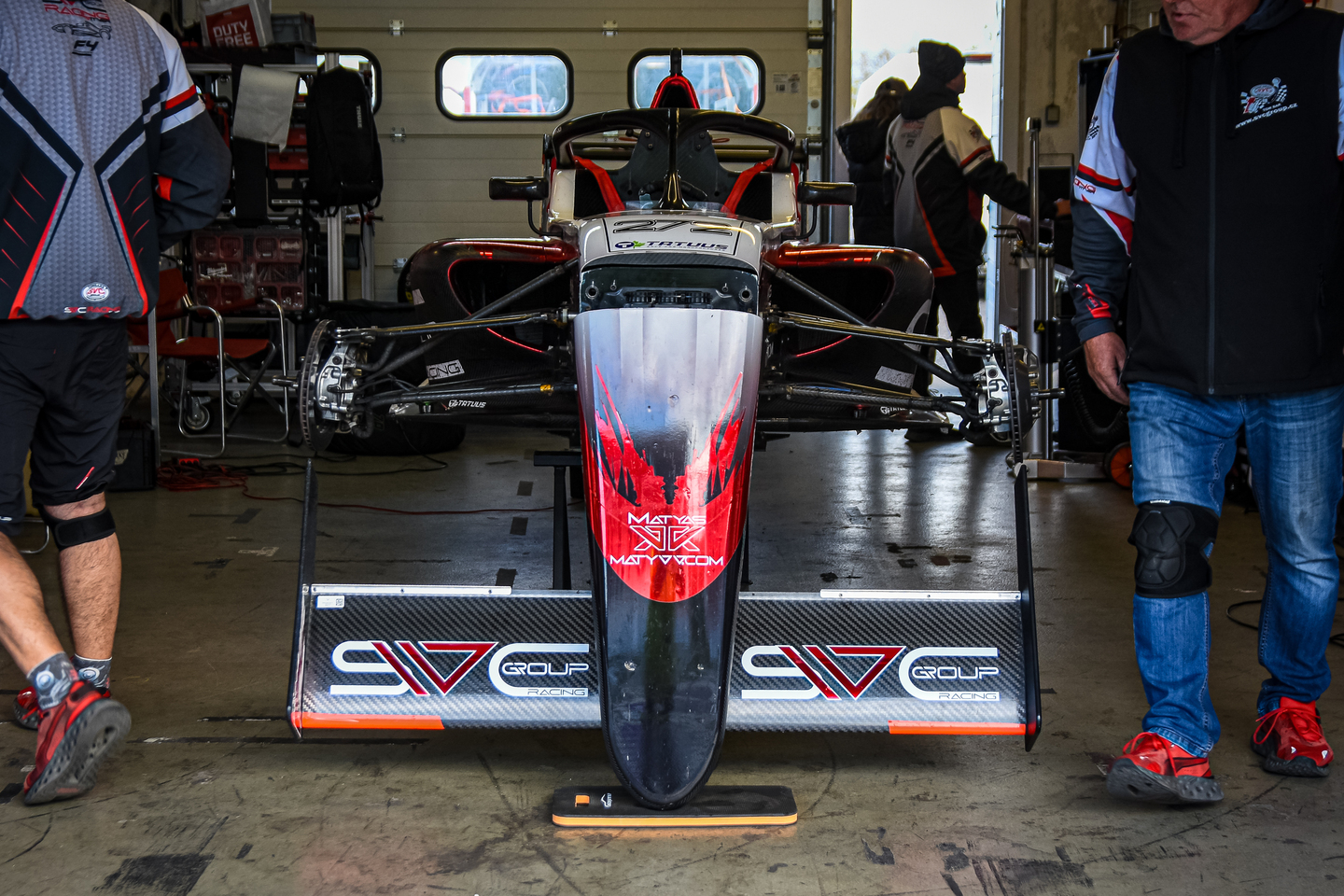
Although we have approximately twenty years of motorsport experience, the modern Tatuus F4 T-421 Gen 2 is technically very different from the racing cars we have developed and operated in the past.
We had to learn new procedures, adapt our technical equipment and understand the specific requirements of tyres, suspension, aerodynamics and Formula 4 race operations.
Not everything worked perfectly from the beginning.
Sometimes we chose the wrong setup direction. On other occasions, we were caught out by changing weather conditions or technical complications.
What mattered most was our willingness to learn from every situation.
One of the major achievements of our first season was the reliability of the car.
According to our team records, Matyas completed all seven race starts without a retirement caused by a technical failure.
Across the complete testing and racing programme, we also covered more than 7,000 kilometres with our Formula 4 car during the 2026 season.
For a privately operated single-seater run by a family team in its first year in the category, these figures represent a considerable technical and organisational achievement.
Of course, we experienced difficult moments when rapid mechanical work and the availability of spare parts made all the difference.
Our own technical facilities and experience from previous racing projects proved particularly valuable.
I would therefore like to thank every member of SVC GROUP RACING who contributed to preparing, operating and developing the car throughout the season.
Our sincere thanks also go to our principal partner, SVC GROUP s.r.o., and all the other partners supporting Matyas's racing programme.
Matyas's Greatest Achievement? More Than Just Race Results
As both his father and team principal, I am naturally proud of the victories and lap times.
However, I am even more pleased with Matyas's overall attitude.
Throughout the season, he worked regularly on the racing simulator, followed a structured physical training programme, including strength and athletics training, and continued managing his school commitments.
He gradually became better at describing the car's handling characteristics, interpreting technical information and understanding racing from a broader perspective.
At the beginning of the season, our primary objective was to manage his transition from karting to Formula 4 safely.
By the end of the year, he was actively contributing to setup development, adapting to changing track conditions and making considered tactical decisions during demanding races.
I often remind Matyas of one important principle:
“The fastest driver does not always win the championship. Very often, success belongs to the driver who makes the smartest decisions.”
We consider his growing ability to combine speed, judgement and technical understanding one of the most valuable achievements of his first Formula 4 season.
The 2026 Season Is Complete. Preparations for 2027 Continue.
The Grand Finale at Most brought the racing part of our first Formula 4 programme to a close.
According to our team records, Matyas achieved four victories, two second-place finishes and one fourth-place finish in the Formula 4 class across seven Carbonia Cup races.
Alongside these results, he completed an extensive testing programme, gaining valuable experience with different circuits, car setups and racing conditions.
We intend to publish a separate report covering the total testing mileage, technical development and the lessons learned throughout the season.
Our attention is now turning towards 2027 and identifying the most suitable opportunities for Matyas's continued development in international Formula 4.
At the same time, we are preparing alternative racing and development options to ensure that his progress can continue regardless of which programme we ultimately select.
The 2026 season has shown us that, together, we have established a strong foundation.
But we also know that there is still a great deal of work ahead.
It all began at Most when Matyas was just 13 years old, driving his first 20 laps in a borrowed Formula 4 car. At 14, he returned to the same circuit to conclude his debut racing season with another victory. Between those two moments lies a year of hard work, determination and remarkable progress.
The first chapter is complete. The journey continues.
Thank you to everyone who has been part of this journey.
On behalf of SVC GROUP RACING
Matyas Vitver #72
Tatuus F4 T-421 Gen 2
Autodrom Most | 11 October 2026
www.matyasvitver.com